


Things to Do
History & Culture in Shiga
Results for History & Culture
127 results
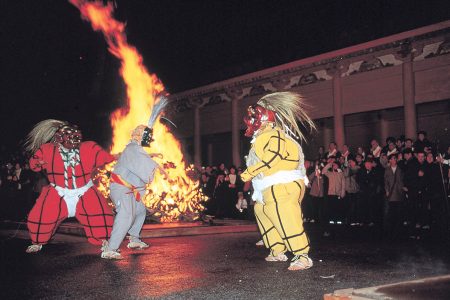
Enryakuji Temple Ceremony to Exorcise Evil & New Year’s Bells
The New Year’s Bells and Ceremony to Exorcise Evil are annual traditions for New Year’s Eve at Hieizan.
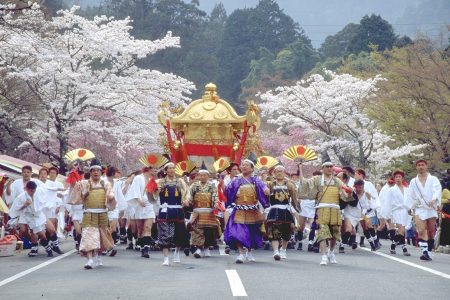
Sanno Festival
The “Sanno (Mountain King) Festival” is one of the three major Lake Biwa festivals.
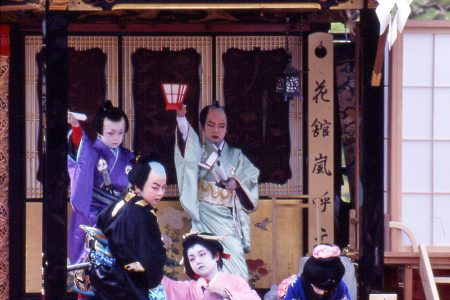
Nagahama Hikiyama Festival
The Nagahama Hikiyama Festival is one of the Three Great Float Festivals of Japan, and is a designated Important Intangible Folk Culture Property of Japan.
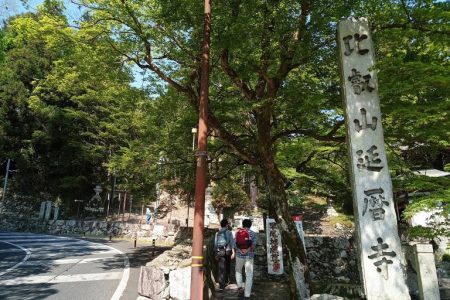
Mt. Hiei Trekking “Honzaka Route”
The World Heritage site of Hieizan Enryakuji is a temple that you can visit while also enjoying a mountain-climbing trek.
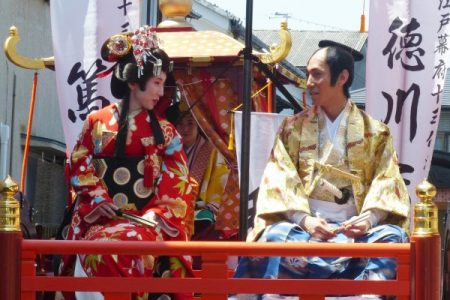
Kusatsu Shukuba Festival
This festival includes a historical pageant that proceeds through the traditional city streets, with a large number of onlookers taking in the vast array of gorgeous outfits.
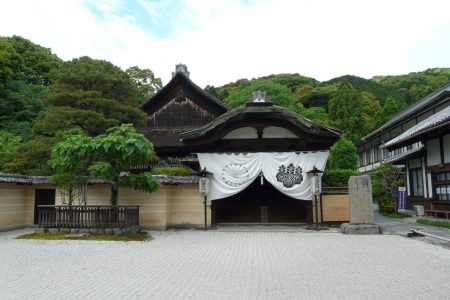
Enman-in Monzeki
A temple with more 1000 years of history, founded in the later Heian period (794-1185).
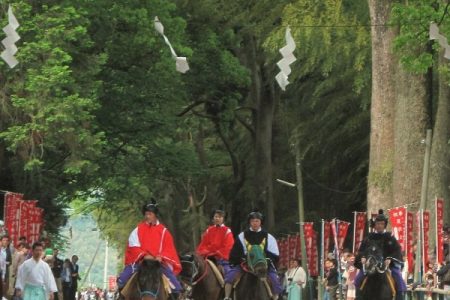
Ashifuse-no-some
A horse racing ceremony held at a shrine with a long connection to horses.
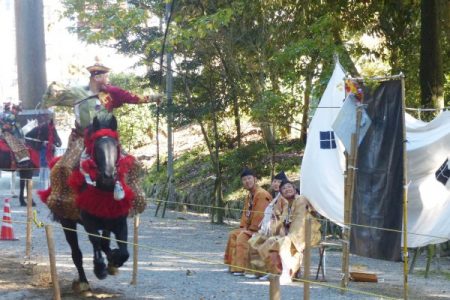
Omi Jingu Shrine Mounted Archery Performance
A display of yabusame (mounted archery) by the Takeda School from the Japanese Traditional Archery on Horseback Association.
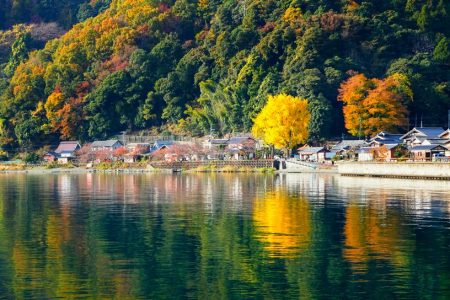
Scenery of the Sugaura Lakeshore Village
This region was known as a key port in waterway travel, surrounded by the unique yet steep terrain of the Okubiwako area.
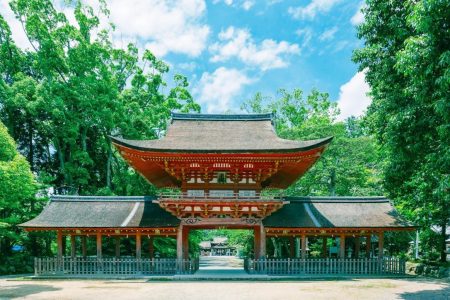
Hyozu-taisha Shrine and the Yatsugasaki Ritual
There is a legend that the deity worshipped at this shrine reached its current location by crossing Lake Biwa.
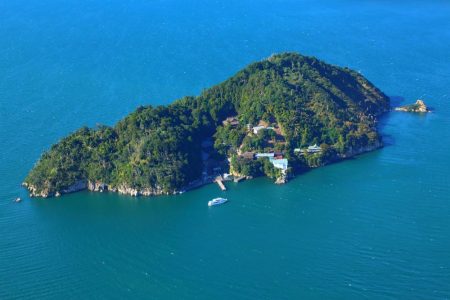
Chikubushima Island
This small island, with a circumference of just 2km, is located in the offing of Lake Biwa, approximately 6km from shore.
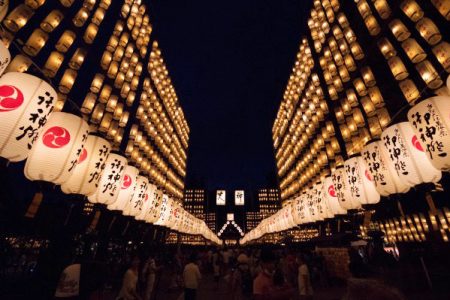
Lantern Festival (Taga Taisha Shrine)
The Manto-sai, a Buddhist festival involving lanterns, is held on the three days from August 3 to August 5 each year at Taga Taisha Shrine.
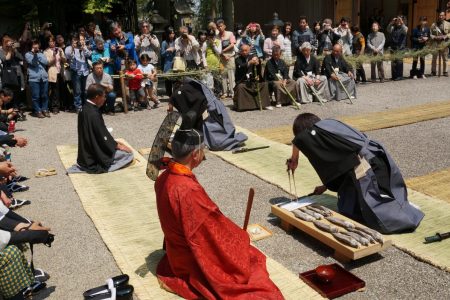
Omi Kenketo Festival / Ritual of Cutting Funazushi with a Long Knife
Shimoniikawa-jinja Shrine holds a regular spring festival in the form of the Omi Kenketo Festival, during which the Long Knife ritual takes place.
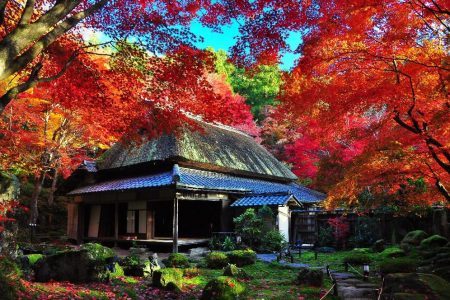
Kyorinbo Temple
Said to have been created by Prince Shotoku in the year 605, “Kyorinbo Temple” got its name from being a place of teaching (“kyo”) surrounded by forest (“rin”).
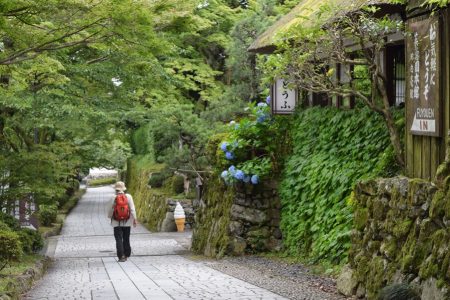
Sakamoto Temple Town
Sakamoto flourished as the temple town for Hieizan Enryakuji Temple, including the homes for monks from approximately 50 different temples, and the townscape retains the elegance of that history even today.
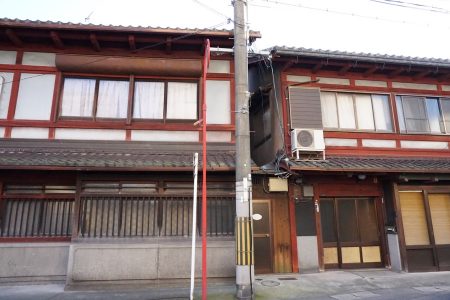
Old Tokaido Road
The Old Tokaido Road was completed during the Edo period (1603 – 1868), and is one of the five old roads that connected Nihonbashi in Edo with Sanjo in Kyoto.
Search