

Why Lake Biwa is a Must-See on Your Trip to Japan
So, with all of Japan to see, why visit Lake Biwa? Honestly, it’s because Lake Biwa is the heart of Shiga Prefecture, a place where history, nature, and modern life blend in a way you won’t find in the major tourist hubs. If you’re feeling a bit overwhelmed by the crowds of the big cities, this is your perfect escape.
Here, you can spend your days exploring a 400-year-old castle, paddling on the calm water, and savoring world-class Omi beef. The region’s diversity is remarkable, offering everything from the 200km Biwaichi cycling route to the serenity of a shrine whose gate stands in the water. It’s a chance to see an authentic side of Japan, deeply connected to the seasons, land, and water that have sustained life here for millennia.
Getting To and Around Lake Biwa
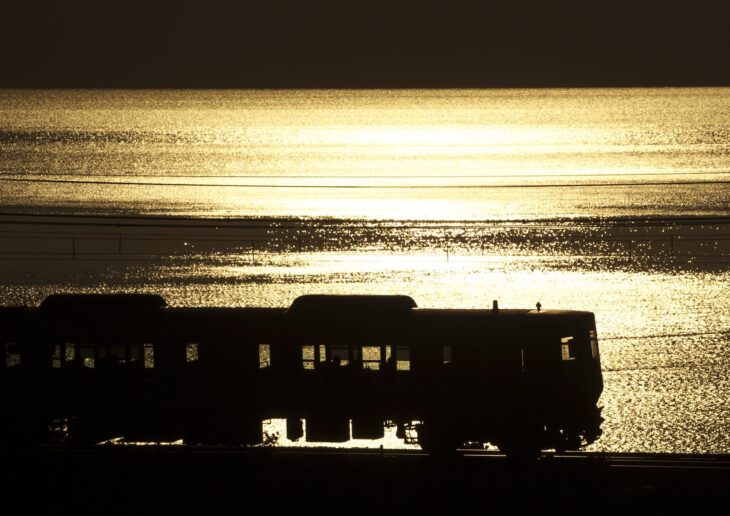
Getting to and traveling around Lake Biwa is surprisingly easy, especially since it’s practically in Kyoto’s backyard.
The southern end of the lake, particularly Otsu City, is the most accessible point.
- From Kyoto/Osaka: From Kyoto Station, the JR Lake Biwa Line will have you in Otsu in about 10 minutes. From Osaka, it’s a direct shot on the same line, taking around 40 minutes.
- From Tokyo: Your best bet is to take the Tokaido Shinkansen (bullet train) to Kyoto Station (about 2.5 hours). From there, it’s the same route as mentioned above.
See our page about getting here for detailed access information.
Getting Around the Lake: Once you’re there, you have a few options to explore the vast shoreline.
- By Train: The JR Kosei Line runs up the western shore, while the JR Lake Biwa Line covers much of the eastern and northern shores. This is great for hitting major spots like Hikone and Nagahama. See our transportation map for more train stations in Shiga.
- By Car: Renting a car is, without a doubt, the best way to have complete freedom, especially for exploring the more rural western and northern shores where public transport is less frequent. Roads are well-maintained, so don’t be intimidated by the idea of driving here. Check our rental car map for rental locations throughout Shiga.
- By Bicycle: For the truly adventurous, cycling is a fantastic option. You can rent bicycles from most major stations. Check our rental bicycle map for rental locations in the area.
Must-See Spots Around Lake Biwa
With so many incredible places to choose from, planning your itinerary is a wonderful challenge. To help you get started, here’s a breakdown of the destinations you absolutely can’t miss.
Hikone Castle: A National Treasure of Feudal Japan
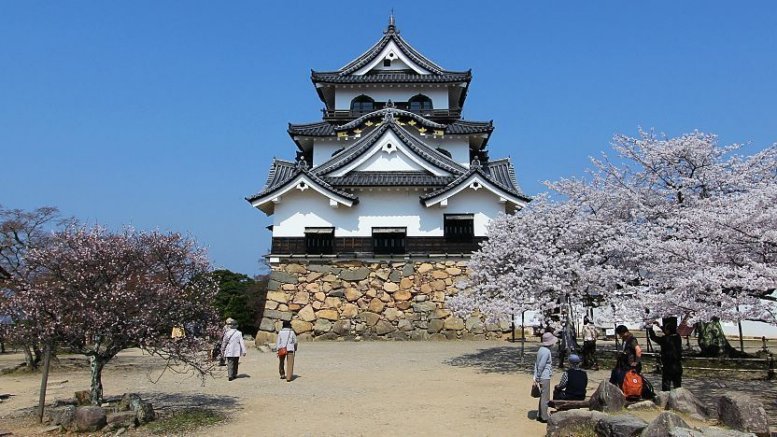
While many of Japan’s castles are concrete reconstructions, Hikone Castle is one of only a handful with its original keep still standing, earning its rightful place as a designated National Treasure. As you cross the moat and walk up the winding stone paths, you’re treading the same ground as samurai from the Edo Period.
The three-story keep isn’t massive, but its architecture is brilliant, with hidden archer windows and steep, narrow staircases designed for defense. The view from the top is spectacular, looking out over the city and the vastness of Lake Biwa. Right at its base is Genkyu-en Garden, a stunning landscape garden designed to replicate famous scenes from China, with a teahouse where you can enjoy matcha while gazing across the pond at the castle keep.
Shirahige Shrine: The Mystical Floating Torii
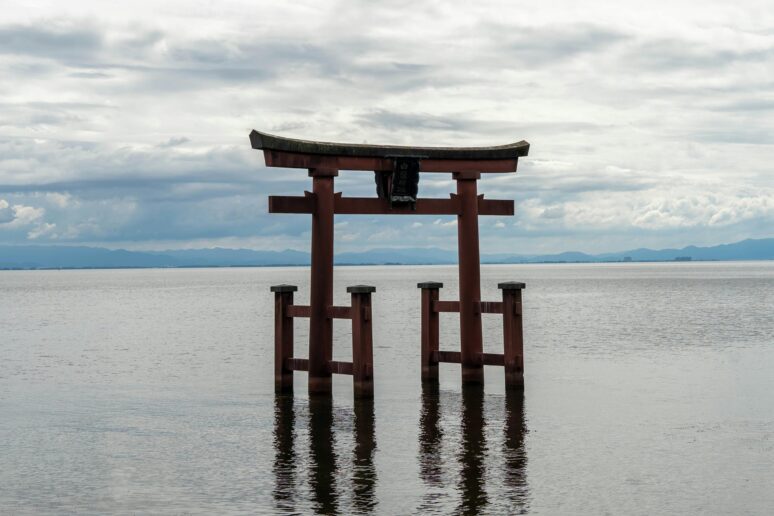
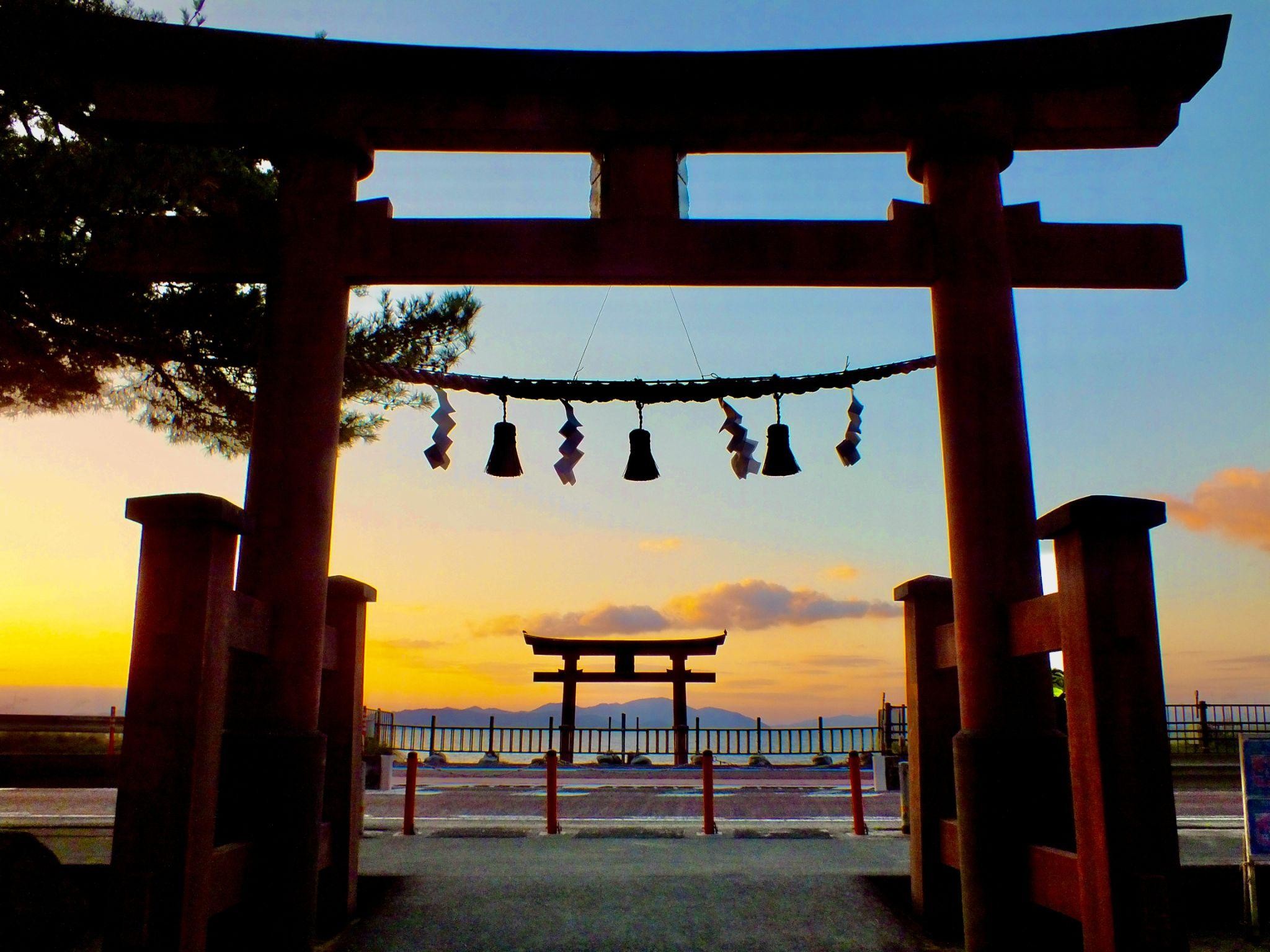
One of Lake Biwa’s most iconic sights is the floating torii gate of Shirahige-jinja Shrine. Standing serenely in the water, the vermilion gate creates a powerful, spiritual atmosphere that is especially breathtaking during sunrise or sunset.
The shrine itself is nestled on the shore and is dedicated to the god of longevity. With a history stretching back nearly 2,000 years, there’s something incredibly mesmerizing about this place. It’s a bit of a trek to get to on the lake’s western side, so a car is a huge plus, but the reward is a moment of pure, uninterrupted tranquility.
Omihachiman: A Journey Through Canals and Time
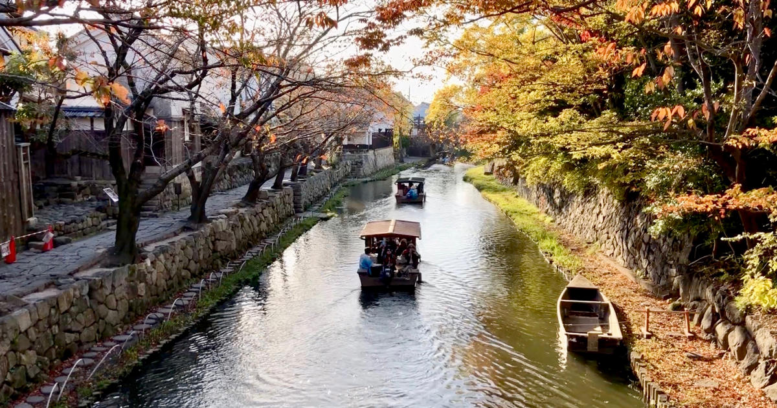
Omihachiman is a beautifully preserved merchant town that feels like it was plucked straight from a historical film. Its most famous feature is a network of canals where you can take a leisurely ride on a boat, gliding past weeping willows and old storehouses.
After the boat ride, wander through the Shinmachi Dori district, where the former homes of wealthy merchants have been preserved. Many are open to the public, offering a glimpse into the lives of those who prospered here centuries ago. For a fantastic view of the entire area, take the Hachimanyama Ropeway to the top of the mountain overlooking the town and lake.
Nagahama Castle: The Legacy of a Great Warlord
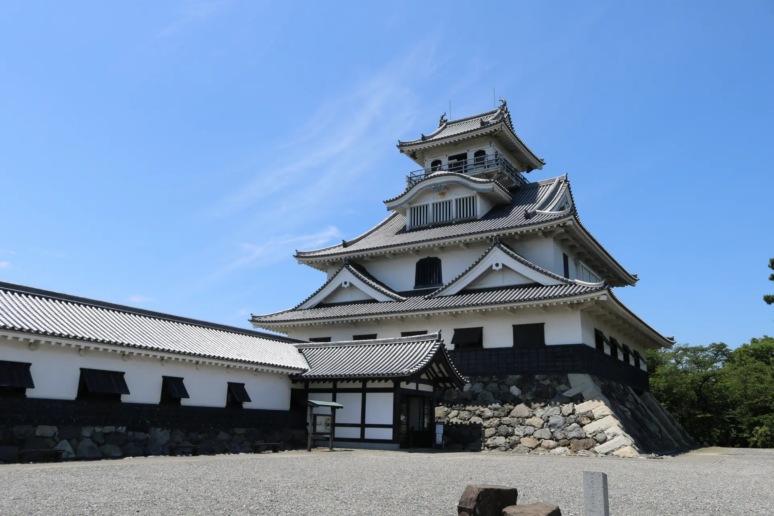
Sitting on the northeastern shore, Nagahama Castle was one of the first strongholds of Toyotomi Hideyoshi, the great warlord who would go on to unify Japan. The current castle is a faithful reconstruction that houses an excellent museum. The real reason to visit, though, is the panoramic view from the top floor, which offers an astonishing view of Lake Biwa.
The surrounding Hokoen Garden is also one of the lake’s most celebrated spots for cherry blossoms in the spring. After visiting the castle, take a stroll through the nearby Kurokabe Square. It’s a delightful area of old buildings converted into glass workshops, boutiques, and cafes.
Enryaku-ji Temple on Mt. Hiei: A Sacred Mountain Monastery
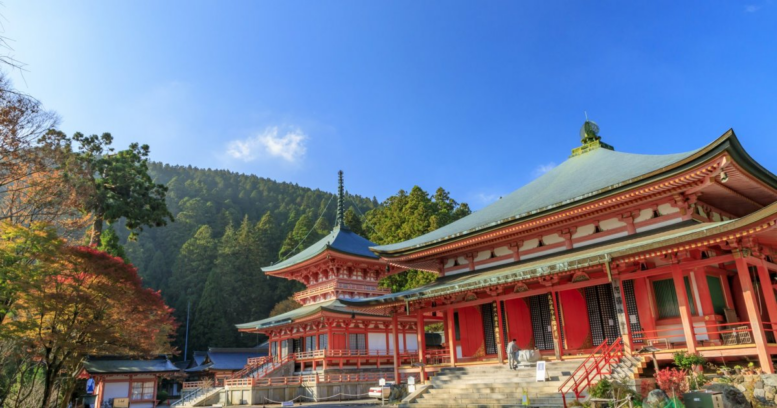
Enryaku-ji Temple is a UNESCO World Heritage Site with a sprawling complex of halls and pagodas spread across the sacred slopes of Mt. Hiei. As the mother temple of the Tendai sect of Japanese Buddhism, it has been one of the most important temples in Japanese history.
Walking through the ancient cedar forests, you’ll stumble upon weathered statues and silent halls where monks have trained for over 1,200 years. The main hall, Konpon Chudo, is a National Treasure and houses a flame said to have been burning continuously since the temple’s founding.
Ukimido (Mangetsu-ji Temple): The Floating Temple Hall
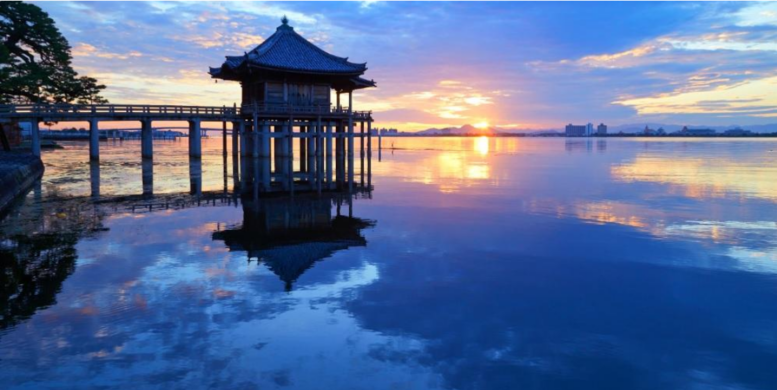
A true hidden gem, Ukimido is a small, hexagonal temple hall that sits on stilts over the water, connected to the shore by a short bridge. Its name translates to “floating hall,” and it’s one of the most poetic spots on the entire lake. Built to pray for safety on the water, it has been admired by artists and poets for centuries, including the famous haiku master Basho.
It’s a small, quiet place, perfect for a few moments of peaceful contemplation.
Chikubu Island: An Island of the Gods
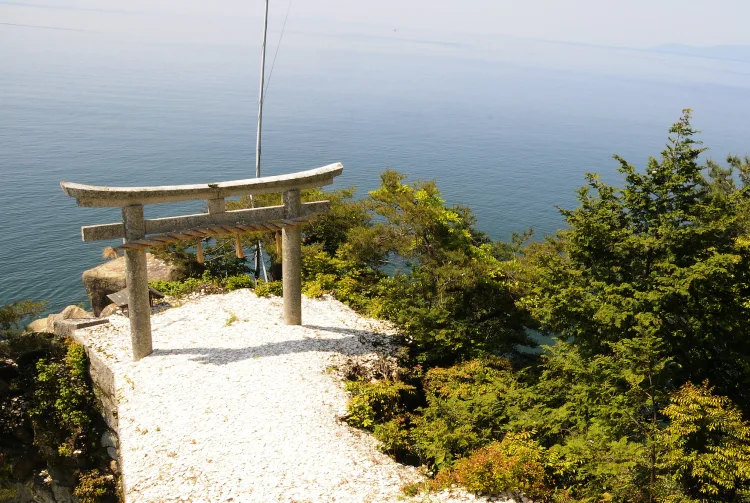
In the northern part of the lake lies Chikubushima Island, a place considered so sacred it’s often called the “Island of the Gods.” You have to take a ferry to get here, which only adds to the sense of pilgrimage and adventure. The small, densely forested island is home to Hogon-ji Temple and Tsukubusuma Shrine.
The structures are stunning, with intricate carvings and vibrant colors clinging to the steep hillside. It’s a designated “power spot,” believed to be a place of strong spiritual energy that you can feel in the air. The views from the ferry and the island itself are magnificent, offering a unique perspective from the middle of the lake.
Other Historical & Cultural Highlights
If you have more time, consider visiting the Sagawa Art Museum, a stunning piece of modern architecture that appears to float on water, or the Lake Biwa Museum, which is fantastic for families and offers deep insights into the lake’s natural history and ecology.
Discover more things to see in Shiga.
Activities to Dive Into at Lake Biwa
Beyond the shrines and castles, Lake Biwa is a massive playground for outdoor enthusiasts.
Lake Biwa Cruises: See it From the Water
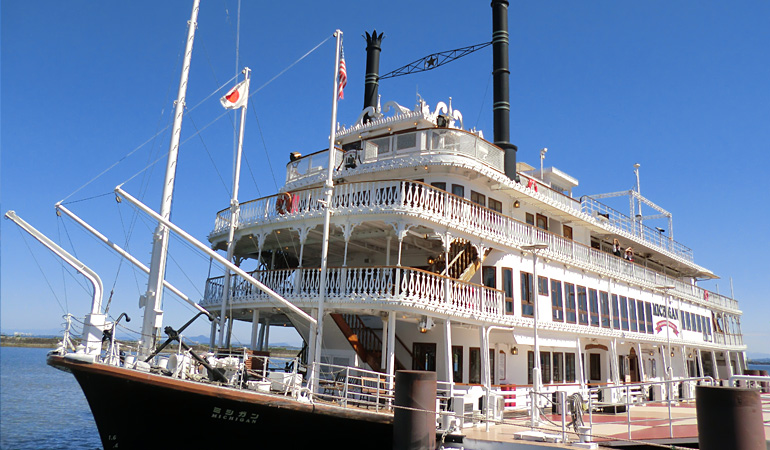
One of the best ways to appreciate the sheer scale of the lake is to get out on it. Several cruise options are available, ranging from short scenic tours to longer excursions. The most famous is the “Michigan,” a large, classic paddle steamer that operates out of Otsu Port. It offers a fun, lively atmosphere with food and live music.
For a more nature-focused trip, take one of the ferries that run to Chikubushima Island or Okishima. These cruises offer breathtaking views of the surrounding mountains and the vast, open water, giving you a completely different perspective than you get from the shore. It’s a relaxing way to spend an afternoon.
See our sightseeing cruise map for Lake Biwa cruise locations.
Biwaichi: The Ultimate Lakeside Cycling Adventure
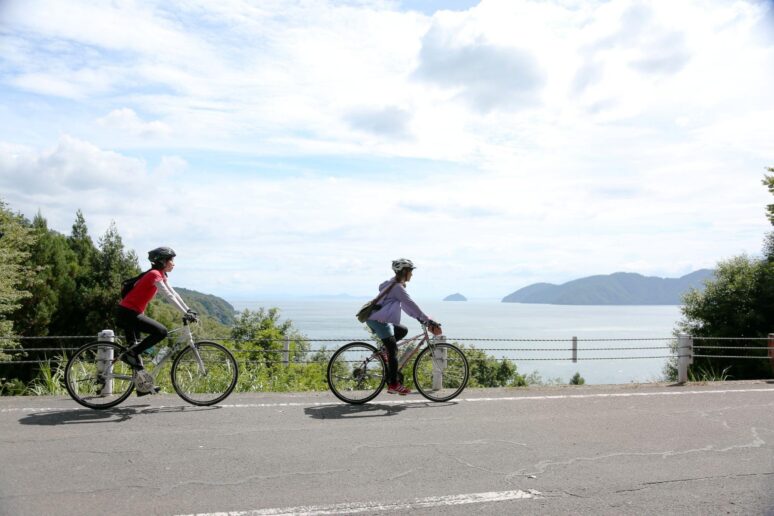
For cycling enthusiasts, this is the holy grail. “Biwaichi” literally means “one lap of Biwa,” and it refers to the 200-kilometer (125-mile) cycling route that circumnavigates the entire lake. It’s become one of Japan’s most famous cycling courses, and for good reason. The route is mostly flat, well-marked, and offers constantly changing scenery, from bustling towns to quiet rice paddies and serene lakeside paths.
Now, doing the whole thing takes most people 2-3 days. But you don’t have to commit to the full loop! The beauty of Biwaichi is that you can easily tackle it in smaller sections. The southern part of the lake is particularly easy for a leisurely day trip. You can rent bikes at numerous locations, especially around major train stations like Maibara and Otsu.
Read the full guide on Biwaichi.
Water Sports: SUP, Canoeing, and Swimming
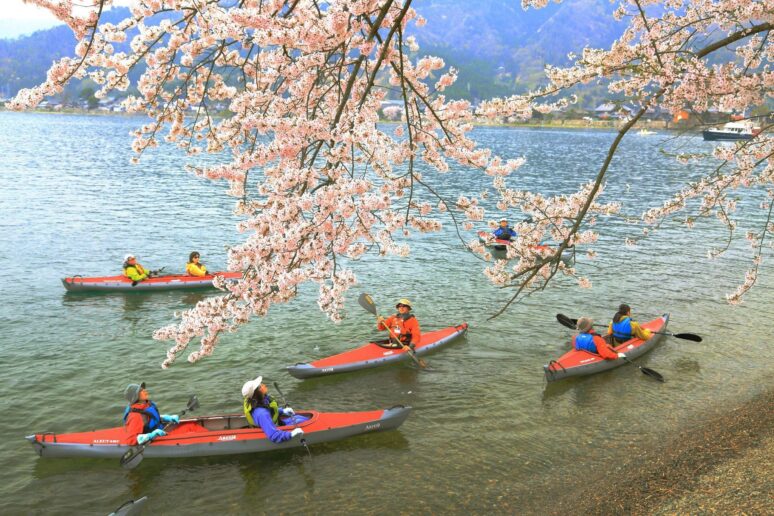
With such a massive body of calm, fresh water, it’s no surprise that Lake Biwa is a hub for water sports, especially in the summer. Stand-up paddleboarding (SUP) and kayaking are incredibly popular. There are plenty of rental shops and schools, particularly on the western shore, that can get you set up, even if you’re a complete beginner.
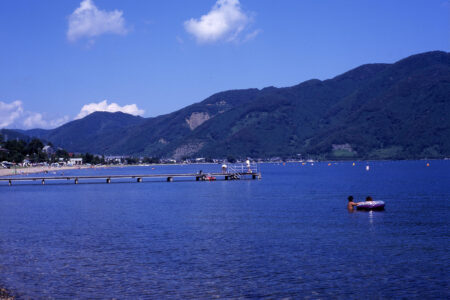
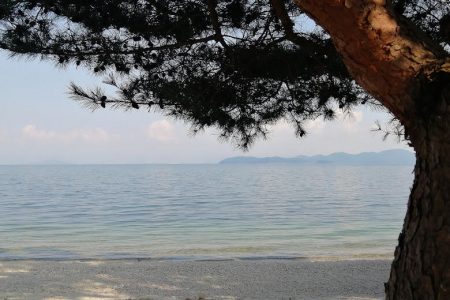
And yes, you can swim! In July and August, several beaches open up for swimming, with the most famous being Omimaiko Beach. With its white sand and pine groves, it feels more like a coastal resort than a lake. The water is clean and refreshing, making it a perfect escape from the summer heat.
Discover more things to do in Shiga.
Lake Biwa Valley and The Lake Biwa Terrace: A View from the Heavens
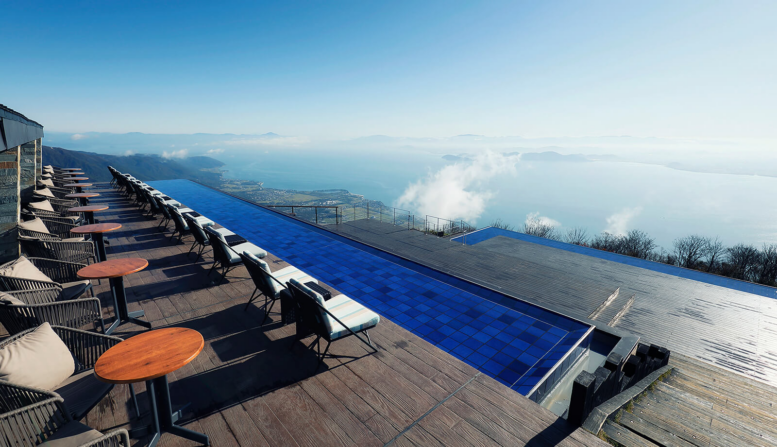
For what is arguably the most breathtaking view of the entire lake, you need to head up. The Lake Biwa Valley ropeway, one of the fastest in Japan, whisks you up the slopes of Mt. Horai in under five minutes.
The real prize, however, is at the top: The Lake Biwa Terrace. This stunningly designed observation deck features multi-tiered wooden platforms and infinity-style water pools that seem to blend right into the lake and sky below. It’s a chic, modern space where you can relax at a café and just soak in the spectacular view.
In the winter, this area transforms into a ski resort, offering the unique experience of skiing with a view of the lake.
Seasonal Events and Experiences
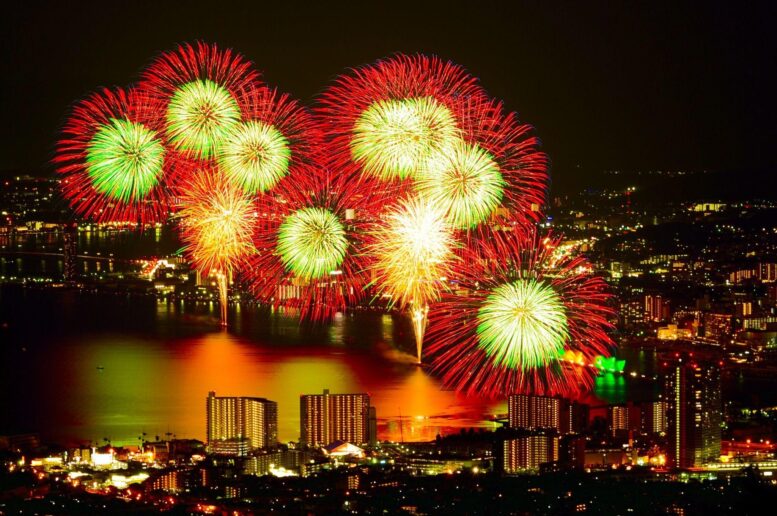
The lake is a hub of activity year-round. Spring brings cherry blossoms, with the tunnel of trees at Kaizu-Osaki being a legendary spot. Summer is famous for its spectacular fireworks festivals, where massive displays are launched from barges on the lake, drawing huge crowds. Autumn sees the mountainsides erupt in fiery colors, perfect for hiking and scenic drives.
You can learn more about the festivities to attend on our Annual Events page.
The Flavors of Lake Biwa
A trip to Shiga is a feast for the senses, and that absolutely includes taste. The region is blessed with incredible natural resources, from its pristine water to its fertile lands.
Omi Beef: Japan’s Premier Wagyu
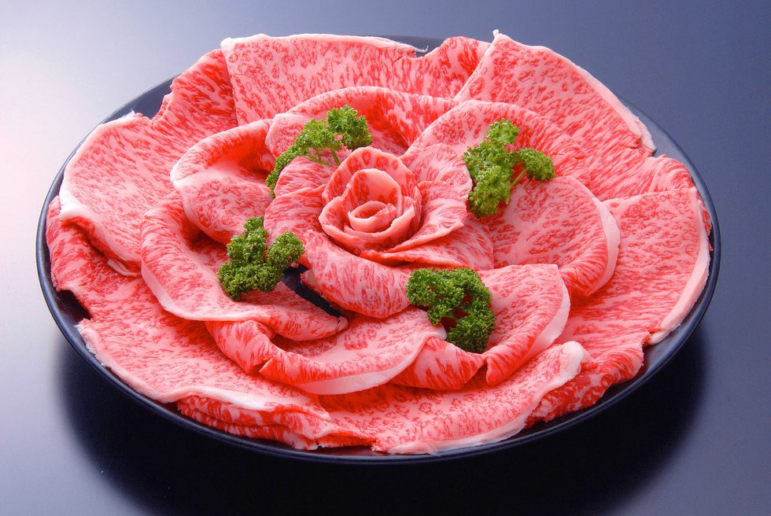
Omi beef is often considered one of Japan’s “Top Three” wagyu brands, with a history stretching back over 400 years. Raised in Shiga’s rich natural environment, this beef is renowned for its incredible marbling, which results in a sublime, melt-in-your-mouth texture and a deep, rich flavor. You’ll find restaurants specializing in Omi beef all around the lake, offering an unforgettable dining experience.
Fish Cuisine: A Taste of the Water
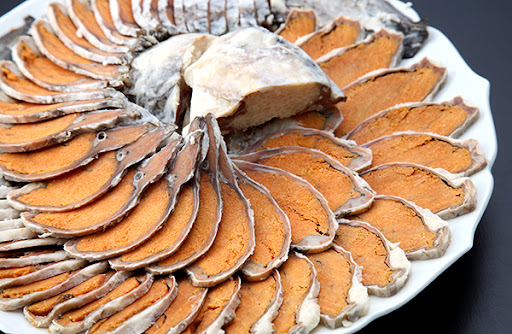
Local restaurants serve a variety of lake fish, such as grilled sweetfish (ayu) and Biwa trout. Funazushi, a form of narezushi (fermented sushi), is a famous local dish and the predecessor of modern sushi. It is made by fermenting local carp in salt and rice for several years. With its pungent, cheesy aroma and sharp, sour taste, it’s an acquired taste that offers a true dive into Japan’s deep food history.
Local Sake and Traditional Sweets
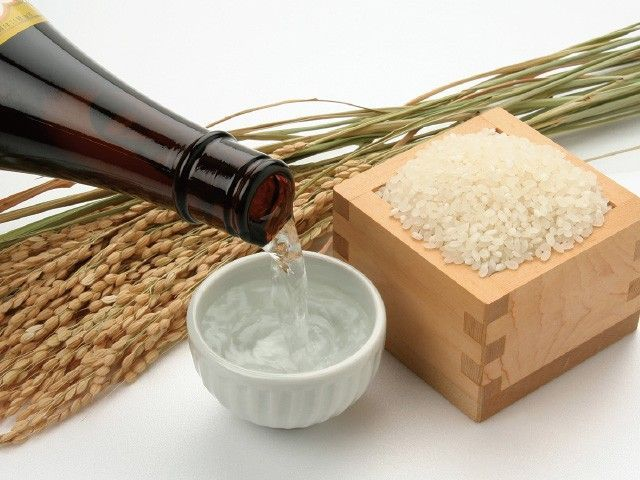
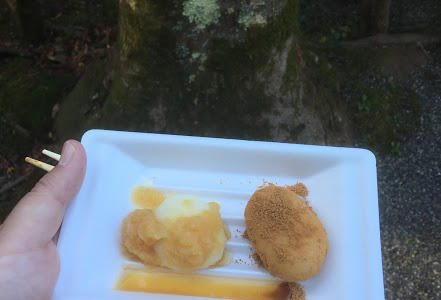
The high-quality water from the surrounding mountains makes Shiga a fantastic place for brewing its famous Omi sake. There are over 30 breweries in the prefecture, many of which are small, family-run operations that have been honing their craft for generations. Look for local brands (jizake) in restaurants and shops. They make for a perfect pairing with the local cuisine. For a non-alcoholic treat, try some of the region’s traditional sweets, like the simple but delicious red konnyaku.
Recommended Restaurants & Cafes
Dining options range from lakeside cafes with scenic views to traditional restaurants in the historic buildings of cities like Hikone and Omihachiman.
Find more places to eat.
Where to Stay Around Lake Biwa
Accommodation around Lake Biwa is as diverse as its scenery, catering to every budget and style. For luxury, modern resort hotels in Otsu and Nagahama offer stunning lake views and onsen facilities. For a traditional Japanese experience, consider a ryokan (traditional inn), complete with tatami mats and multi-course kaiseki dinners.
Budget-conscious travelers will find plenty of comfortable business hotels, cozy guesthouses, and private vacation rentals. For those wanting to be closer to nature, glamping sites and campgrounds are available, particularly on the northern shores.
Not sure which accommodation is right for you? Check our accommodation guide or search for accommodations.
The Four Seasons of Lake Biwa
Lake Biwa is a destination for all seasons, with each one painting the landscape in a different, beautiful light.
Spring (March – May)
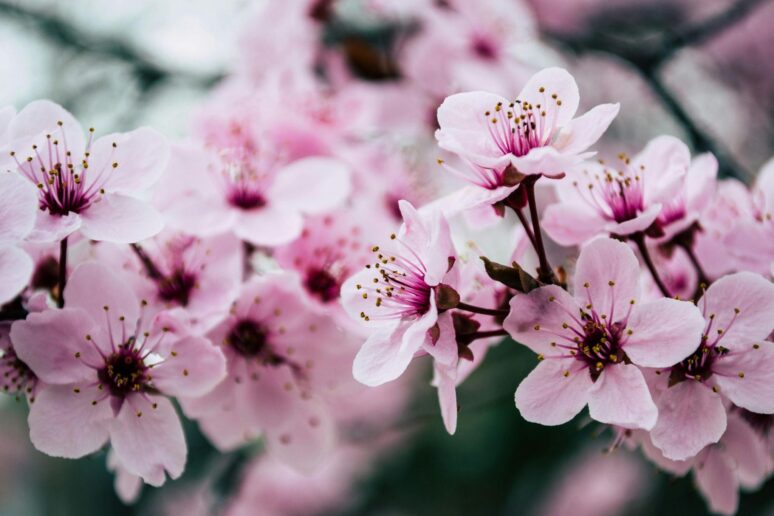
Spring is a time of renewal and breathtaking beauty. This is when the cherry blossoms burst into bloom, framing the lake in shades of pink and white. The 800 cherry trees that form a tunnel over the road at Kaizu-Osaki on the northern shore are a truly magical sight. The weather is mild and pleasant, perfect for cycling and exploring castle towns.
Learn more about Shiga in spring.
Summer (June – August)
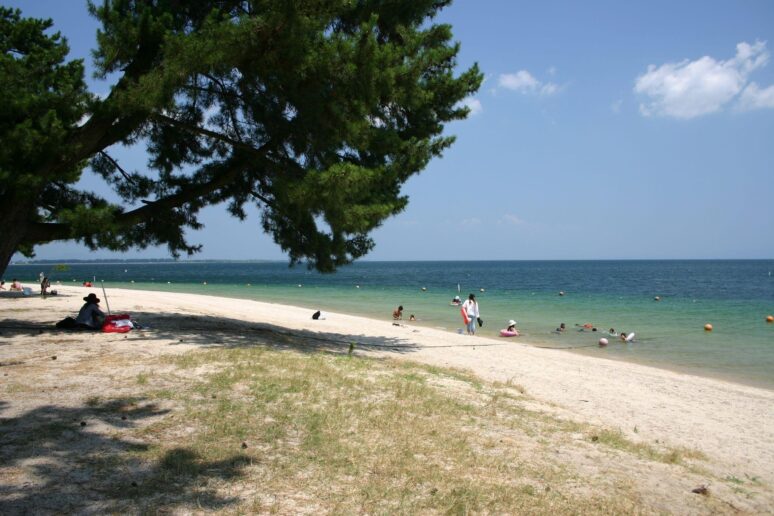
Summer is all about the water. The lake comes alive with swimmers, boaters, and paddleboarders. The lush green of the mountains provides a vibrant backdrop, and the boom of spectacular fireworks festivals held in several towns around the lake punctuates the nights. It’s a season of energy and celebration.
Learn more about Shiga in summer.
Autumn (September – November)
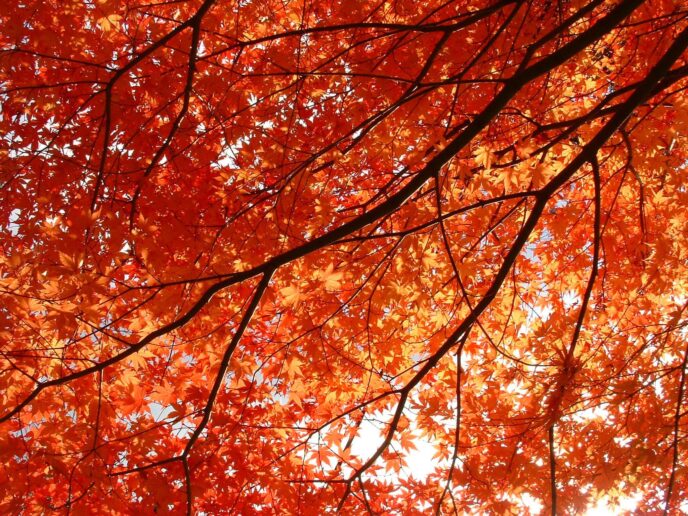
As the summer heat fades, autumn brings a crispness to the air and a fiery display of colors. The mountainsides surrounding the lake, especially places like Mt. Hiei and the scenic roads on the western shore, are set ablaze with the red, orange, and gold of autumn leaves. The clear, cool weather is ideal for hiking and long-distance cycling.
Learn more about Shiga in autumn.
Winter (December – February)
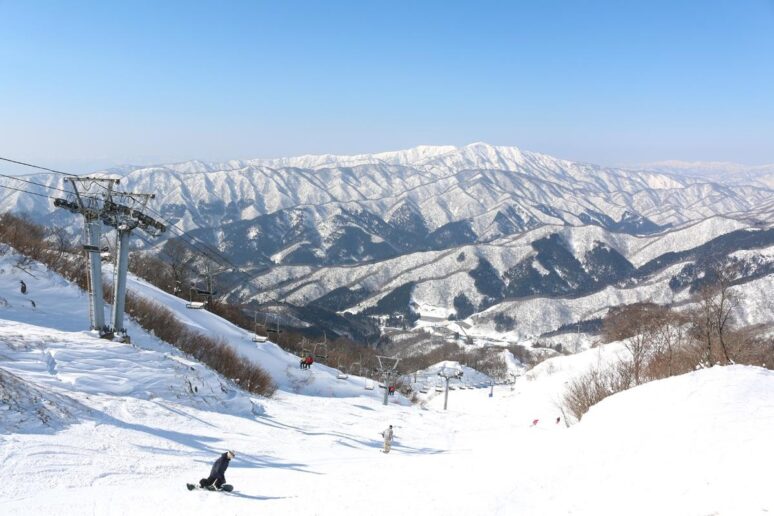
Winter transforms the Lake Biwa area into a quiet, serene wonderland. The northern parts often see snow, dusting the temples and castle roofs in white. It’s a time for quiet contemplation, soaking in an onsen, and enjoying winter sports. The stark beauty of the lake in winter is a truly special sight.
Learn more about Shiga in winter.
An Unforgettable Adventure Awaits
Ultimately, Lake Biwa offers a unique connection to Japan’s history, nature, and culture. For an adventure that is both grand and personal, discover the heart of the country waiting on its shores. Plan your trip to Lake Biwa today.

Unleash Your Inner Shinobi: Experience Ninja Culture in Shiga Prefecture

A trip to Sunai no Sato: Mochitsuki, traditional sweets, New Year’s decoration and delicious tea