


Things to Do
History & Culture in Shiga
Results for History & Culture
127 results
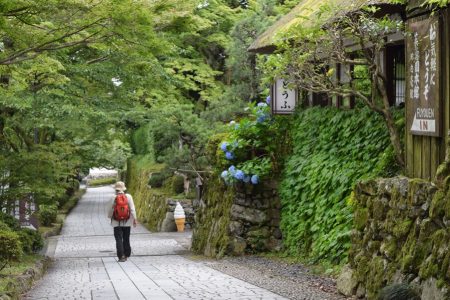
Sakamoto Temple Town
Sakamoto flourished as the temple town for Hieizan Enryakuji Temple, including the homes for monks from approximately 50 different temples, and the townscape retains the elegance of that history even today.
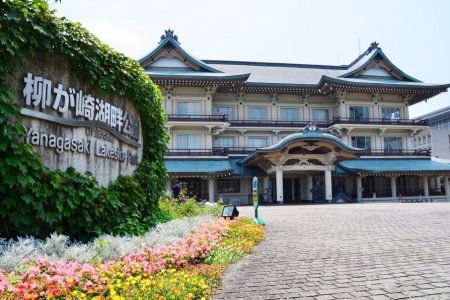
Biwako Otsukan
The Biwako Otsukan was built in 1934 as the first international tourism hotel in the prefecture, with the intention of bringing in more tourists from overseas.
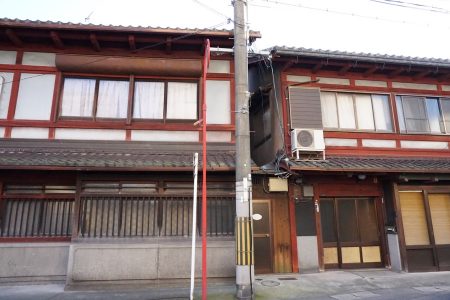
Old Tokaido Road
The Old Tokaido Road was completed during the Edo period (1603 – 1868), and is one of the five old roads that connected Nihonbashi in Edo with Sanjo in Kyoto.
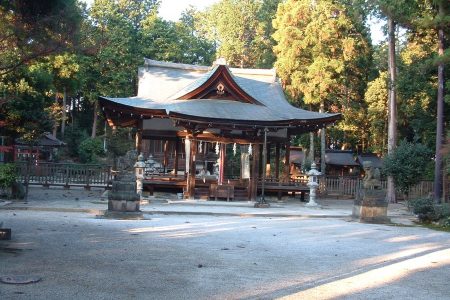
Osasahara-jinja Shrine
The main shrine is a national treasure, and was constructed in the Muromachi period (1336 to 1573).
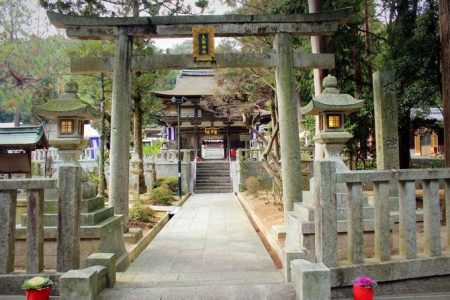
Konze no Sato Soja Ono-jinja Shrine
Ono-jinja Shrine is a small soja (shrine enshrining several gods) located at the foot of Mt.
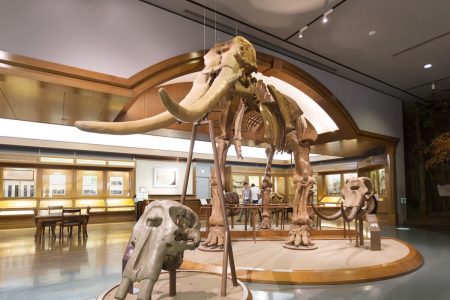
Lake Biwa Museum
One of the largest lake-based museums in Japan, with a wide variety of exhibits.
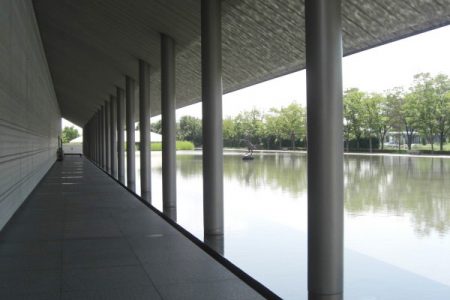
Sagawa Art Museum
This luxurious space, also known as the “floating museum,” features three separate halls in which you can, at your leisure, take in the works of three of Japan’s greats; artist Ikuo Hirayama (1930-2009), sculptor Sato Churyo (1912-2011) and ceramics master Kichizaemon Raku.
Search