

Introducing Lake Biwa: Japan’s Largest Lake
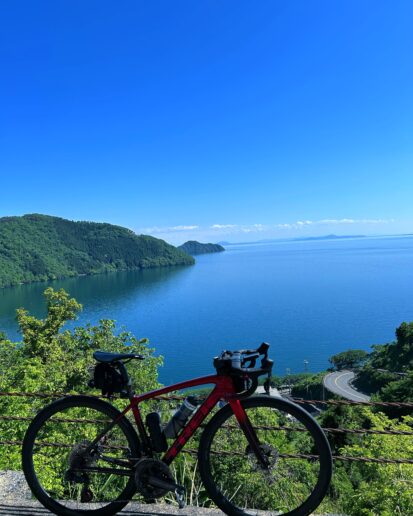
Lake Biwa, or Biwako, is the third oldest lake in the world, dating back over 4 million years.
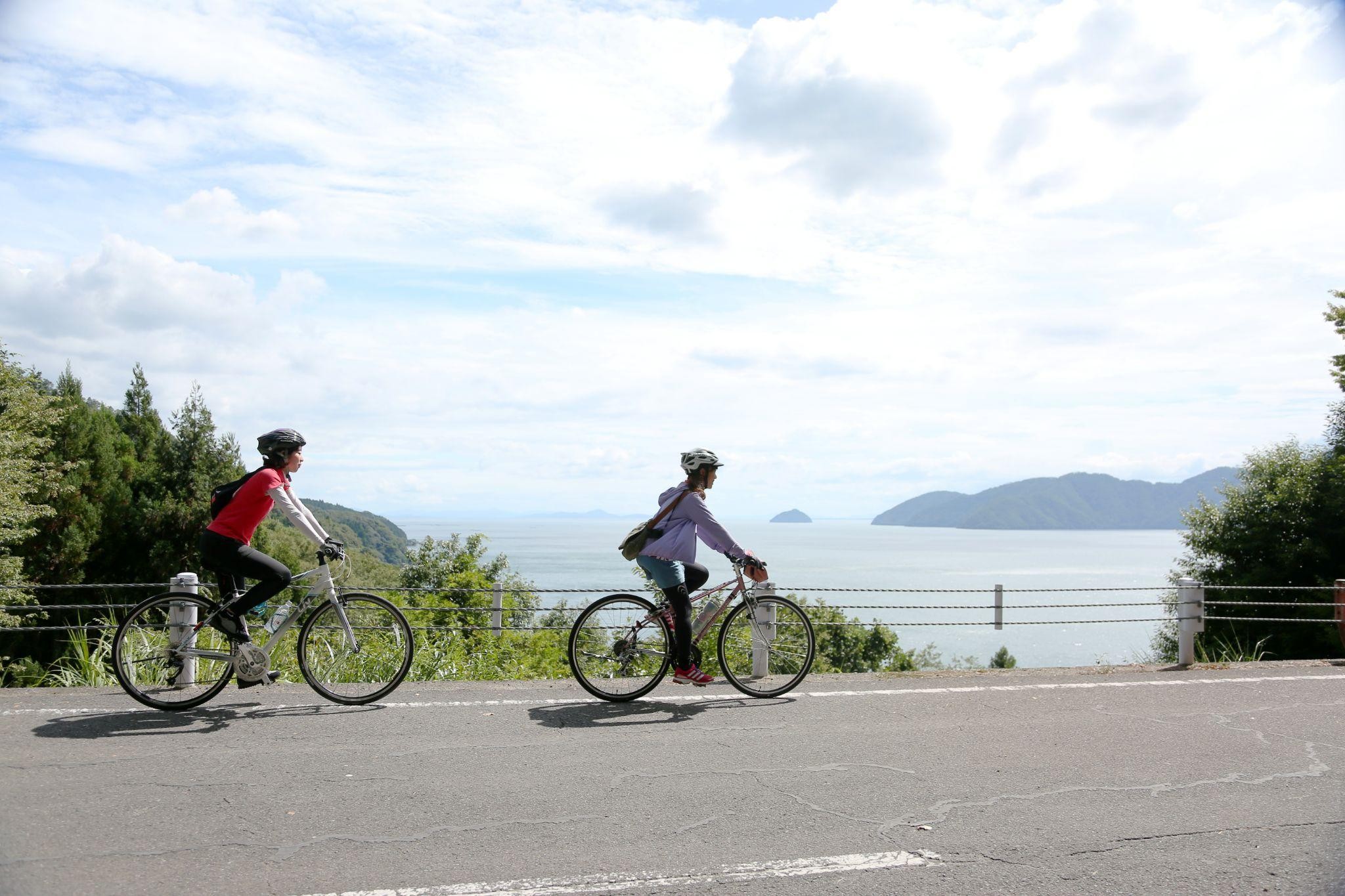
The Biwaichi cycling course loops around Lake Biwa, offering a chance to explore the Omi region. This area has a rich history as a transportation and logistics hub since ancient times. Along the route, particularly in places like Omihachiman, you can soak in historical scenery as you cycle. The waterways, once vital for Omi merchants, and the well-preserved castle townscapes provide a glimpse into its trading past. For centuries, these traders used these waters to move goods between the ancient capital of Kyoto and the coast, laying the foundation for much of Japan’s modern economy.
Today, the lake serves a different kind of traveler. The stillness of the waters that once aided cargo ships now draws kayakers and campers seeking escape from the city, and the roads originally paved for commerce have become Japan’s premier cycling destination.
Planning Your Biwaichi Cycling Trip

In this section, you’ll discover tips to make planning your cycling trip a breeze.
How to Get to Lake Biwa
Getting to Shiga is easier than you think. Otsu Station is a mere 10-minute train ride from Kyoto Station. If you are coming from Tokyo or Osaka, the Shinkansen stops directly at Maibara Station, a major hub for cyclists starting the northern loop.
Choosing & Renting Your Bike
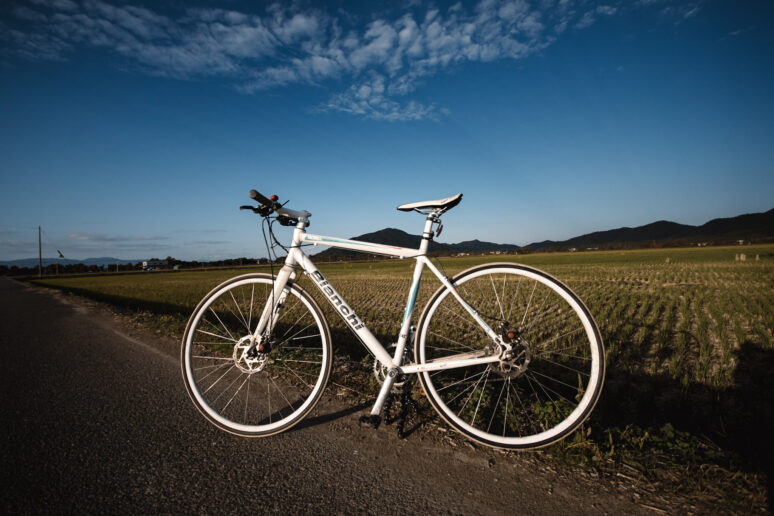
You do not need to bring your own gear to experience the Biwaichi. Rental shops scatter the coastline, offering everything from high-performance road bikes to electric-assist bicycles (e-bikes).
- E-Bikes: These are highly recommended, as they effortlessly handle any hilly sections.
- Cross & Road Bikes: For those who want speed and the satisfaction of a physical challenge.
- City Bikes: Best for short, town-centric exploration.
Rentals typically start around 1,000 yen per day, plus a deposit. Many shops offer one-way rental systems, allowing you to pick up in one city and drop off in another.
View our interactive bike rental map
What to Bring: Your Biwaichi Packing Checklist
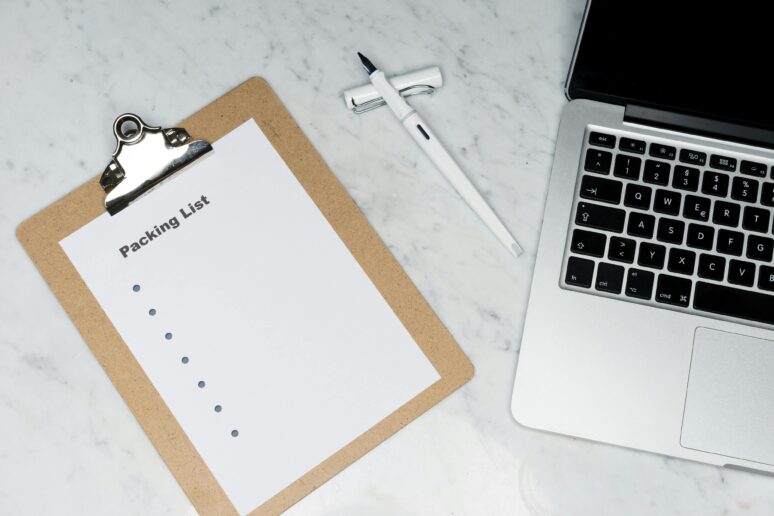
Travel light, but travel smart. Here are some essential items to bring for your biking adventures in Shiga:
Personal Items
- Identification (Passport)
- Cash
- Water bottle
- Food / Portable supplements
- Map
- Smartphone/Camera
- Portable battery
- Bags (Small backpack or saddlebags)
Clothing
- Layered clothing
- Light windbreaker
- Hard-soled shoes (low-cut athletic shoes)
- Dry wear
- Stretchwear
- Padded innerwear
- Gloves
- Raingear
- Change of clothes
- Sunglasses / Eyewear
- Hat
Bike Maintenance and Emergency Items
- Flat tire repair kit
- Spare tube
- Portable pump / Mini pump
- First-aid kit
Accommodation Options Around Lake Biwa
From luxury ryokan (traditional inns) with private onsen (hot springs) overlooking the lake, to cyclist-friendly hostels that provide tools and racks, Shiga supports every travel style. Find a place to stay that suits you from our list of accommodations below:
Staying Safe on the Road
For a safe and enjoyable ride, it’s important to follow a few basic traffic rules:
- Ride on the left side of the road.
- Stop at traffic lights, stop signs, and crosswalks.
- Use your bicycle lights in the morning and in the evenings.
- Wear a helmet.
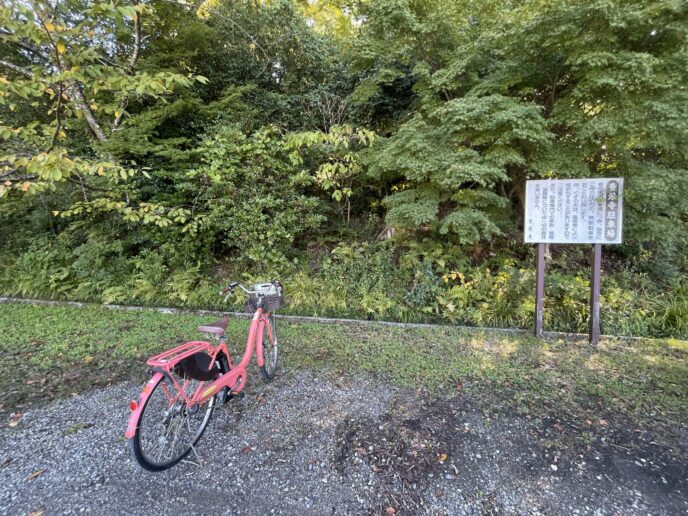
- Park in designated bicycle parking areas only.
- Mind your battery if using an e-bike.
Self-Guided vs. Guided Biwaichi Cycling Tours
- Self-Guided: You set the pace. You stop for photos when the light is perfect. You detour for a sudden craving for matcha soft serve. This offers maximum freedom.
- Guided Tours: A local expert leads the way, offering context on the shrines you pass and handling any mechanical issues. Perfect if you want a deeper educational experience without logistical worry.
Contact us for guided tour information
Biwaichi Route Breakdown: From Beginner to Advanced
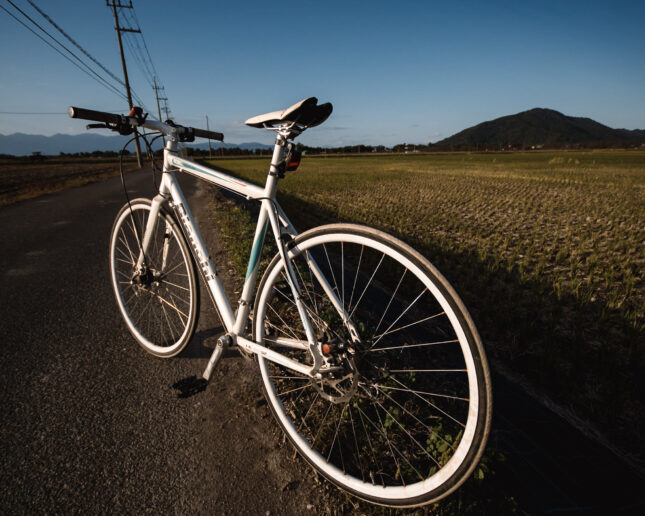
Shiga has several biking routes for cyclists of all skill levels. Choose one of our recommended routes below or see the full list to help you get started.
View all cycling routes:
Mastering the Full Biwaichi Loop
Completing the full loop is a badge of honor. We recommend splitting the full loop over two or three days, staying overnight in places like Omi-Hachiman or Takashima to watch the sunrise over the water.
- Distance: Approx. 200km
- Time Required: 10–12 hours (Advanced) to 2-3 days (Leisure)
Beginner’s Loop from Maibara to Hikone
If you have limited time or prefer a beginner-friendly route, try this half-day route from Maibara to Hikone:
- Distance: Approx. 6km
- Time Required: 4–6 hours
Stop 1: Maibara Station
Your cycling adventure begins at Maibara Station, a convenient Shinkansen stop. Head to Biwaichi Rental Cycle near the station to pick up your bike. To be sure you get a bike, book it online ahead of time.
※Note: You’ll need your passport to complete the rental form. Check the official website for its operating hours and reservations:
Website: Biwaichi Rental Cycle Maibara
Stop 2: Seigan-ji Temple
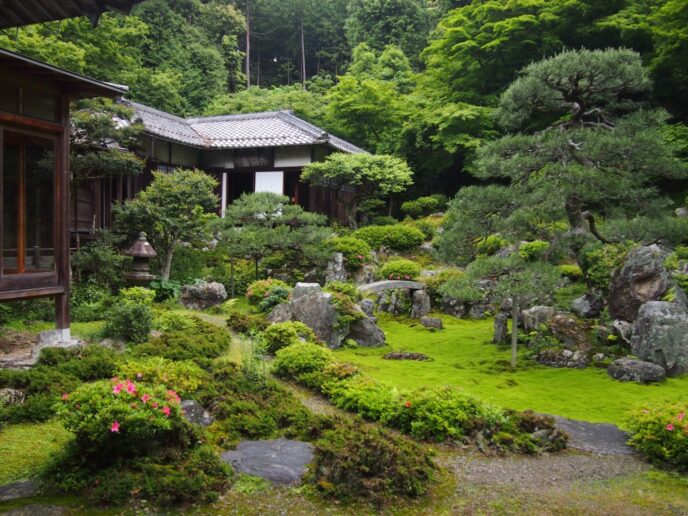
Just a brief ride away from the station lies Seigan-ji Temple, a quiet Soto Zen Buddhist temple nestled among the wooded hills, where the dense canopy creates a cool, hushed sanctuary.
The highlight here is the exquisite karesansui dry landscape garden, which transforms into a chisenteien water garden when it rains.
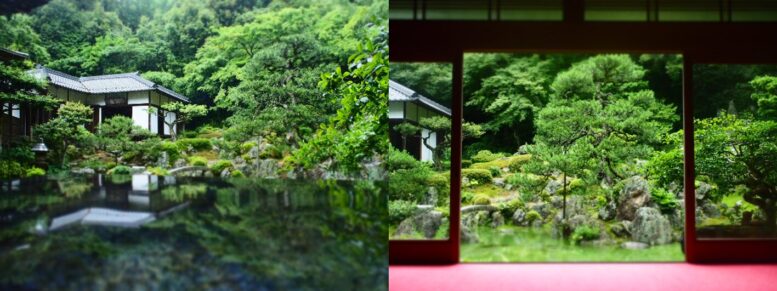
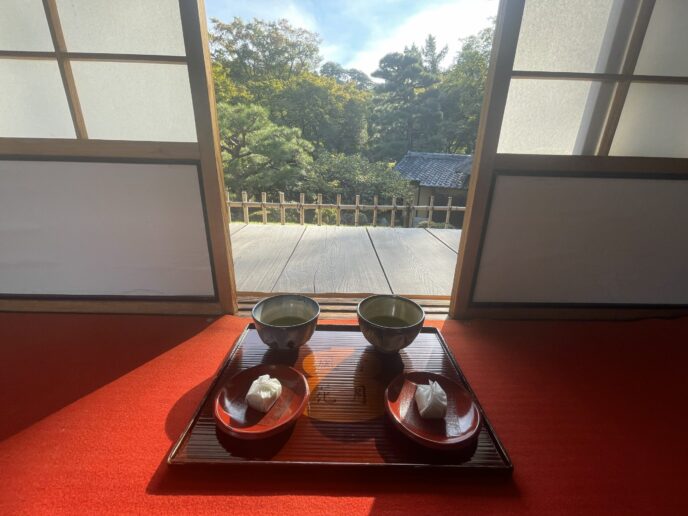
Though you can’t walk in the garden, feel free to enjoy the view from the window with a cup of green tea or a matcha dessert.
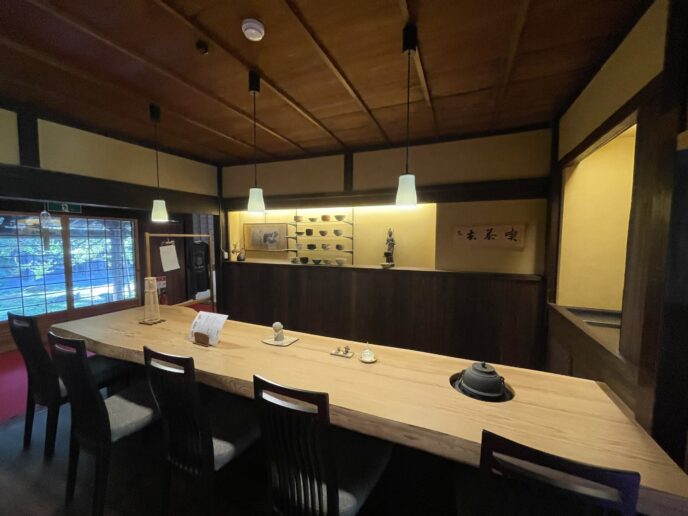
If you have time, pause here for a Sutra copying experience or Zazen meditation in Japanese to calm your mind before the ride ahead. Be aware that you need to reserve these experiences beforehand. You can reserve a spot by emailing the temple using the address listed on their website below.
Website: Seigan-ji Temple (Japanese only)
Stop 3: Kogan Ryokuchi Matsubara Park
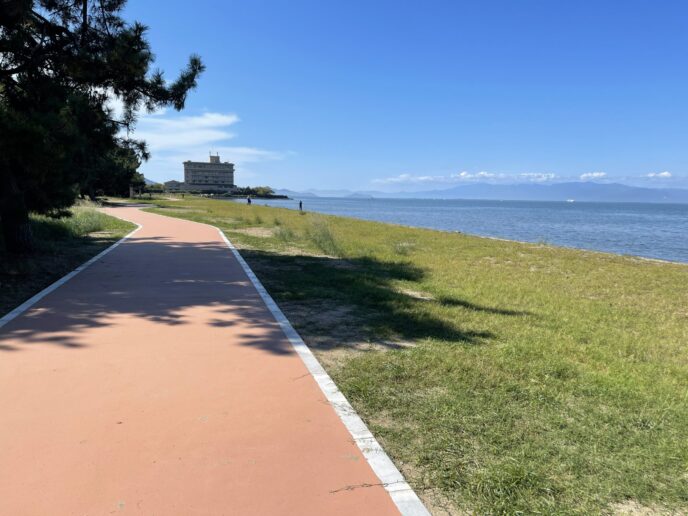
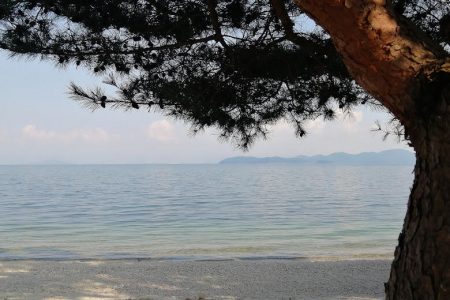
Enjoy a breezy stroll through Matsubara Park, one of the scenic parks dotting the edge of Lake Biwa. From this vantage point, Japan’s largest lake feels vast enough to be an ocean, offering sparkling water views. The well-maintained paved path makes for a smooth ride, but this is also the perfect spot to pause and recharge.
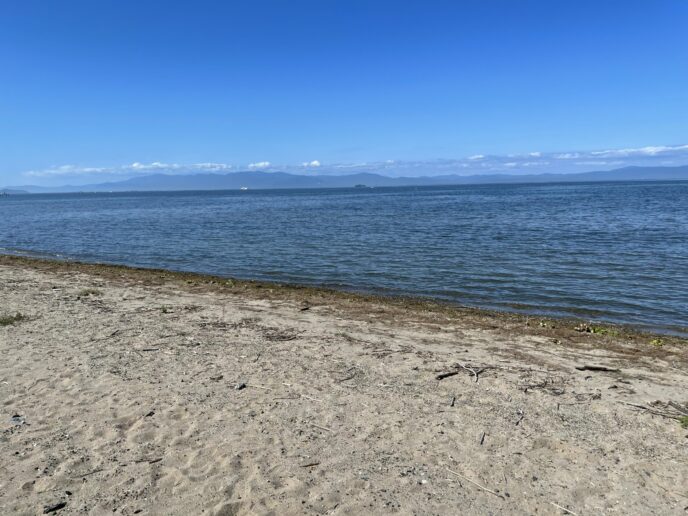
Consider unpacking a picnic on the grass, wading into the water for a quick swim, or simply sitting back to watch the gentle waves roll in against the shore.
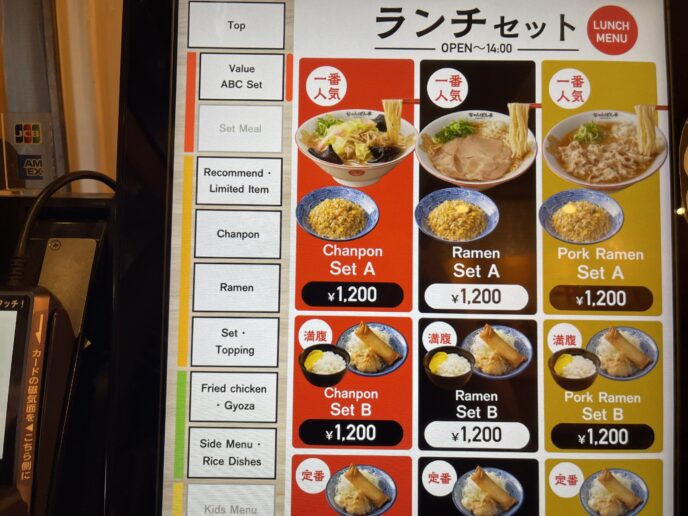
Stop 4: Lunch at Chanpontei
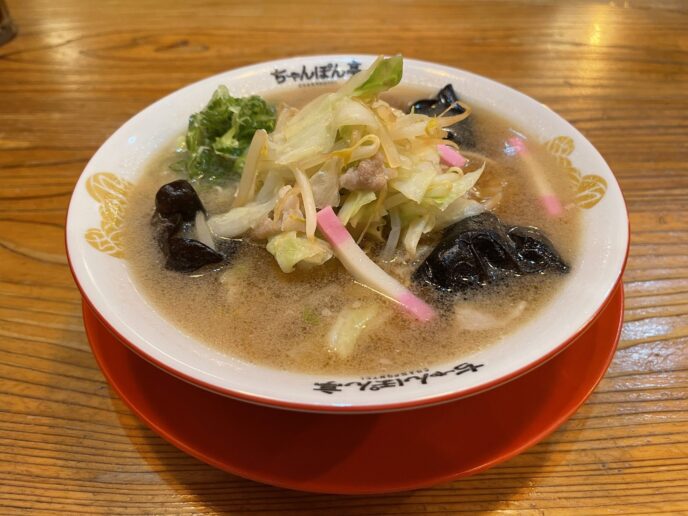
By now, you’ll need to refuel. Chanpontei is the best spot to try Omi Chanpon, the renowned “soul food” of Shiga. Founded in 1963, this spot offers a unique twist on chanpon, a noodle dish originally from Nagasaki.
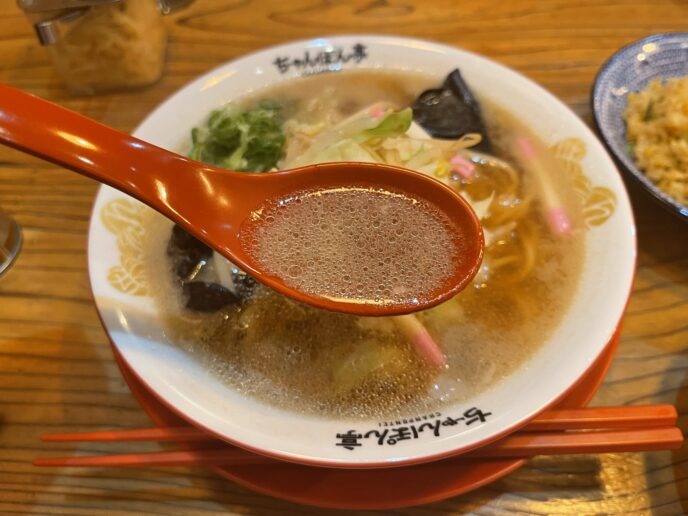
Omi Chanpon at Chanpontei features a transparent, shining golden dashi crafted from bonito and kelp simmered in pure water from an underground spring. The soup allows the fresh vegetables and chewy wheat noodles to shine.
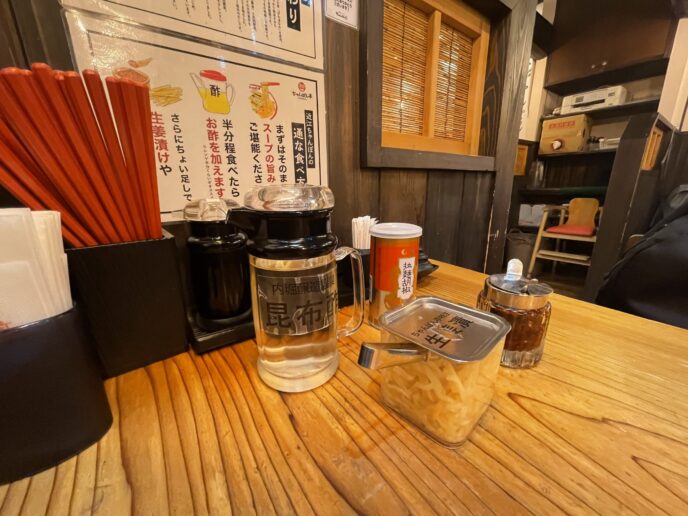
To change up the flavor, try adding a splash of their Kombu Vinegar, a dash of spicy sauce, or a generous pinch of pickled ginger.
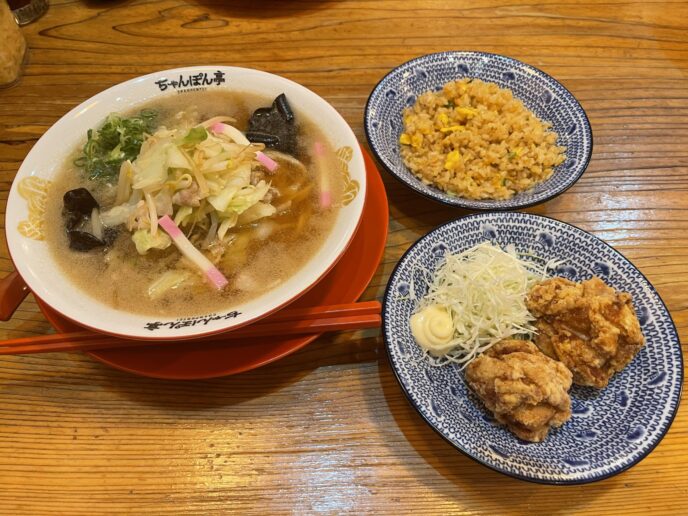
Chanpontei also serves a variety of other sets and dishes. We recommend trying their Chanpon with a side of fried chicken or fried rice. Ordering is super easy, as their meal ticket machine is available in multiple languages and takes cash, card, and other payment options. Be sure to order at the ticket machine first and give your ticket to the server.
Stop 5: Chosho-in Temple
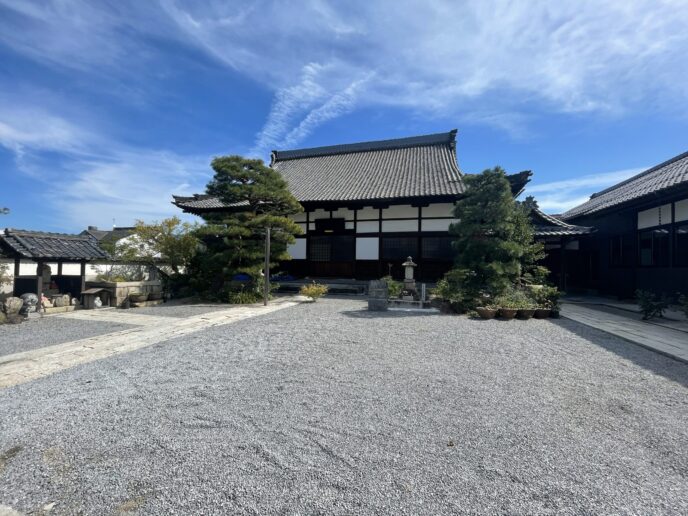
After refueling, it’s time to head to Chosho-in Temple. This temple attracts cycling enthusiasts from far and wide due to a unique secret. Chosho-in Temple houses the grave of the individual credited with creating the first pedal-powered bicycle, giving it the nickname “Bicycle Temple” (jitensha no tera).
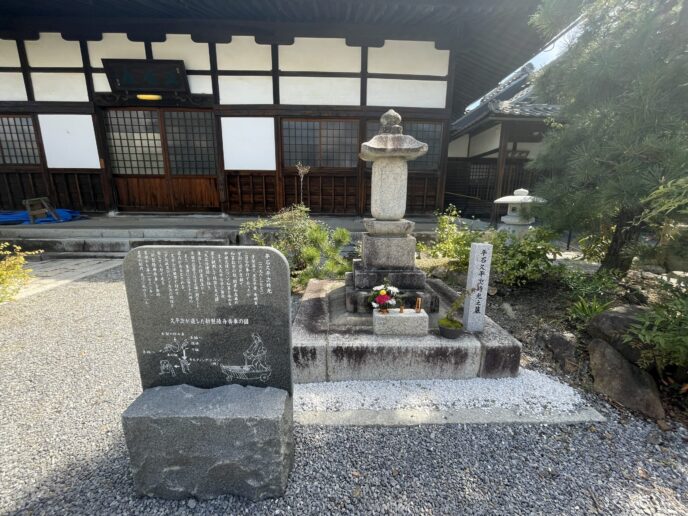
The boat-shaped bicycle replica, once held at the temple, is currently preserved at a museum.
Beyond its cycling legacy, visitors can also experience Zazen meditation in English. The Zazen sessions are now held three times a month and follow a specific format.
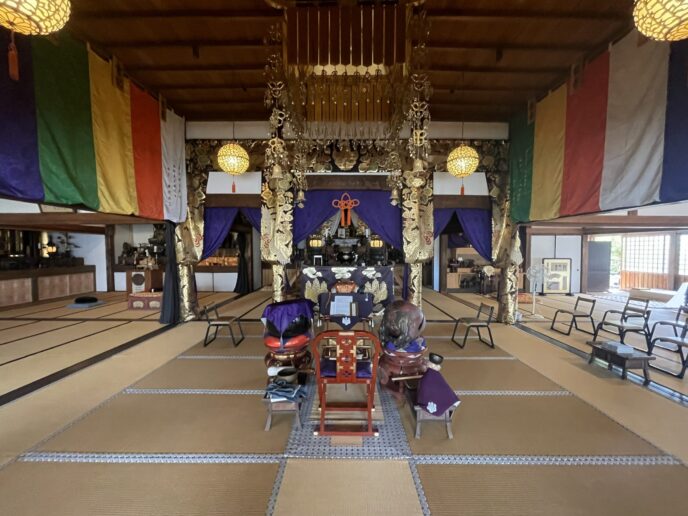
The session begins with a 15–20 minute introduction, followed by a sitting meditation, cleaning of the Buddha hall, and a Q&A session. You’ll typically sit two chu (the time it takes an incense stick to burn, roughly 30 minutes). To reserve a spot, please email the temple using the address provided on their website below.
Website: Chosho-in Temple (Japanese only)
Stop 6: Yume Kyobashi Castle Road
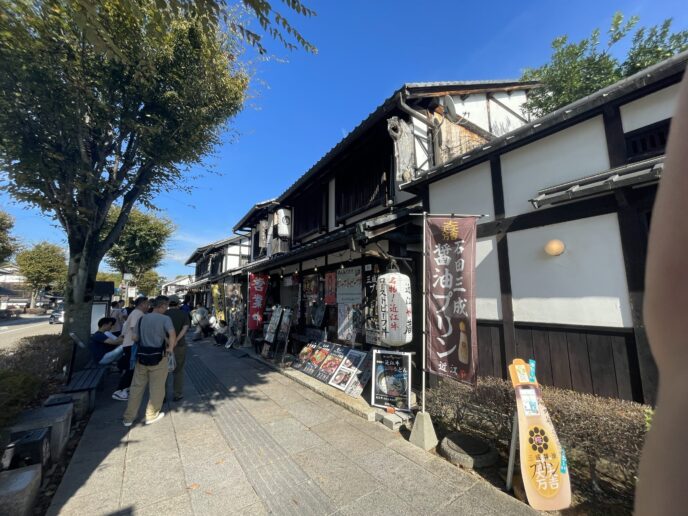
Park your bike and walk through Yume Kyobashi. This street features distinctive white-walled merchant buildings, beautifully recreating the authentic atmosphere of the Edo period.
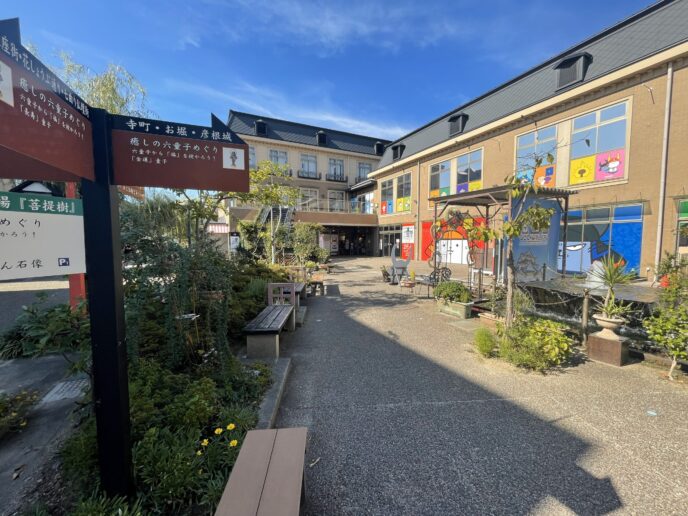
As you stroll along the stone-paved street, you’ll discover a vibrant mix of shops and attractions, including local eateries, teahouses, and restaurants. It’s a fantastic place to buy a unique souvenir or to visit small museums and galleries.
Stop 7: Hikone Castle & Genkyu-en Garden
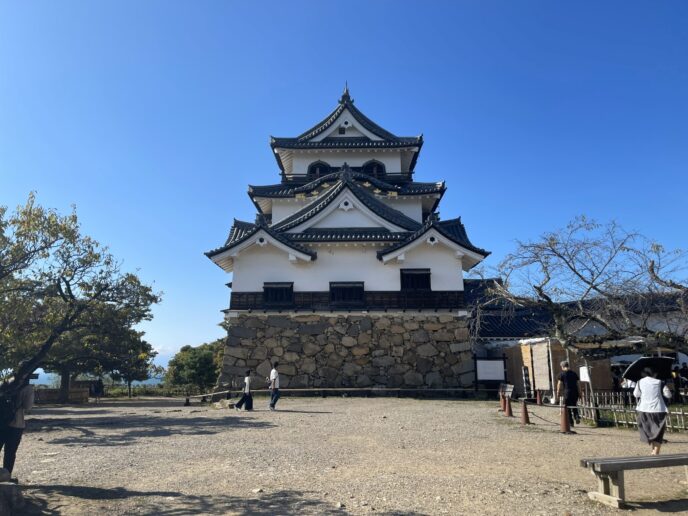
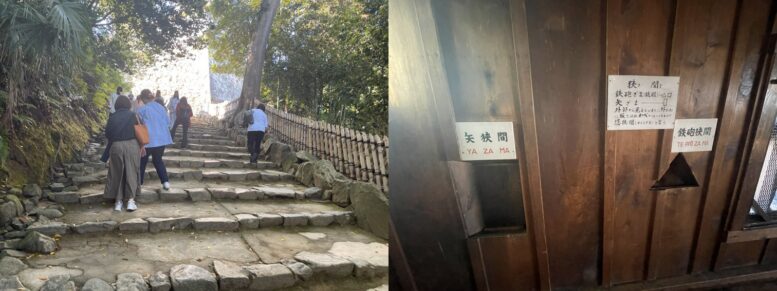
Hikone Castle is home to one of only twelve original keeps in Japan. Designated a National Treasure in 1952 and currently applying for UNESCO World Heritage status, its architecture is a defensive masterpiece. Steep stone walls and a winding approach force attackers to expose their backs, while the interior features hidden portholes and steep, uneven stairs designed to exhaust intruders.
From the top of the castle tower, you can enjoy panoramic views of the surrounding landscape and a sneak peek of your next destination.
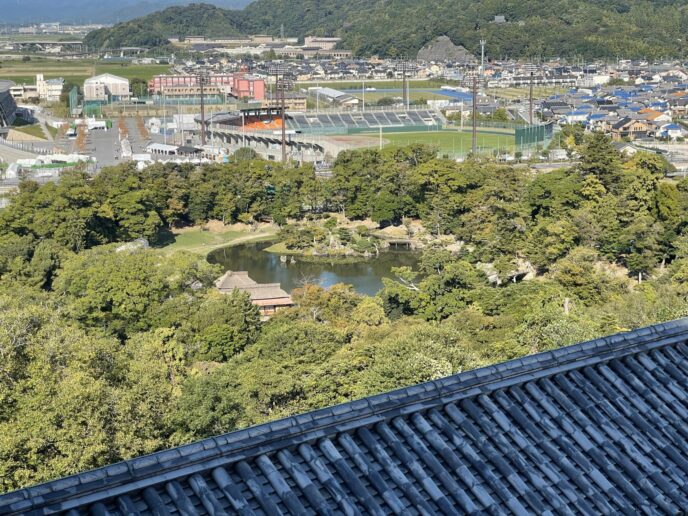
If you are lucky, you might even catch a glimpse of Hikonyan, the castle’s famous “samurai cat” mascot, greeting visitors on the grounds.
After exploring the castle keep, descend to Genkyu-en Garden, a magnificent Japanese daimyo garden at the castle’s base. This vast space transforms with the seasons, offering a peaceful counterpoint to the fortress above.
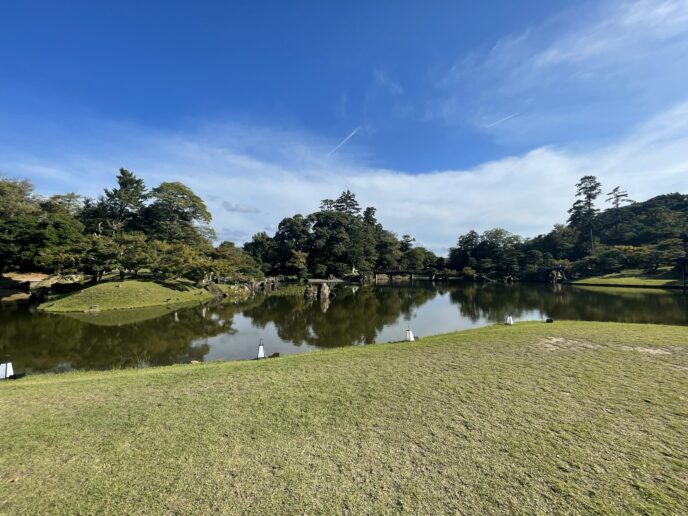
Visit the traditional teahouse to enjoy a cup of matcha and a Japanese sweet. Sitting there, looking out over the pond with the castle keep towering in the distance, is the perfect way to finish your day before heading home.
Stop 8: Hikone Station
Your cycling adventure concludes at Hikone Station. You can easily return your gear at the nearby bicycle rental shop and collect your deposit. Before you hop on the train, be sure to grab a local souvenir to remember the ride.
Exploring Lake Biwa’s Charms
Immerse Yourself in Scenic Beauty
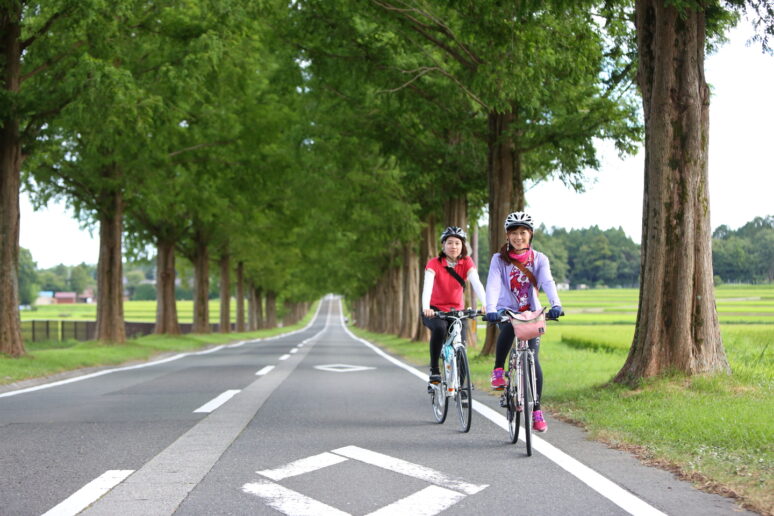
Shiga’s nature is dramatic. In Makino, the Metasequoia Namiki creates a tunnel of towering trees that turn deep crimson in autumn and lush green in summer. The contrast between the blue lake and the surrounding mountains provides a constant, moving backdrop as you ride.
Discover Shiga’s Natural Beauty
Discover Historical and Cultural Gems
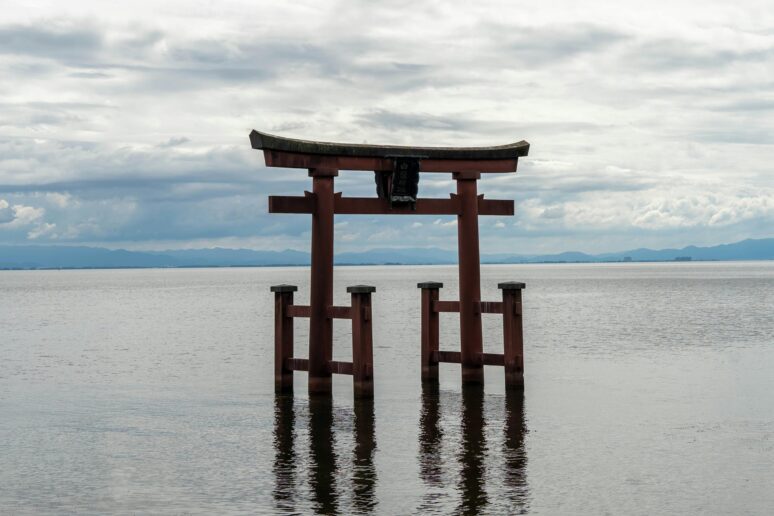
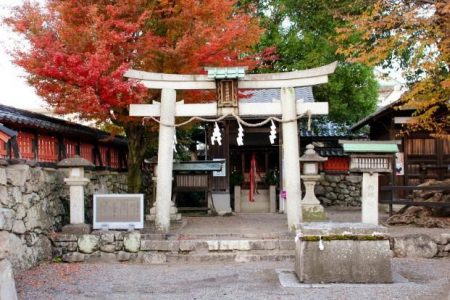
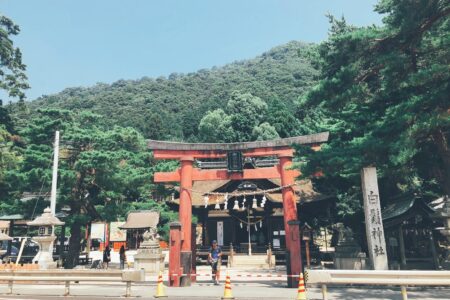
The Biwaichi route is a corridor of faith and commerce. You will pass Torii gates standing in the water at Shirahige Shrine and ride through townscapes preserved from the days of the Omi merchants.
Savor Local Cuisine: A Taste of Shiga
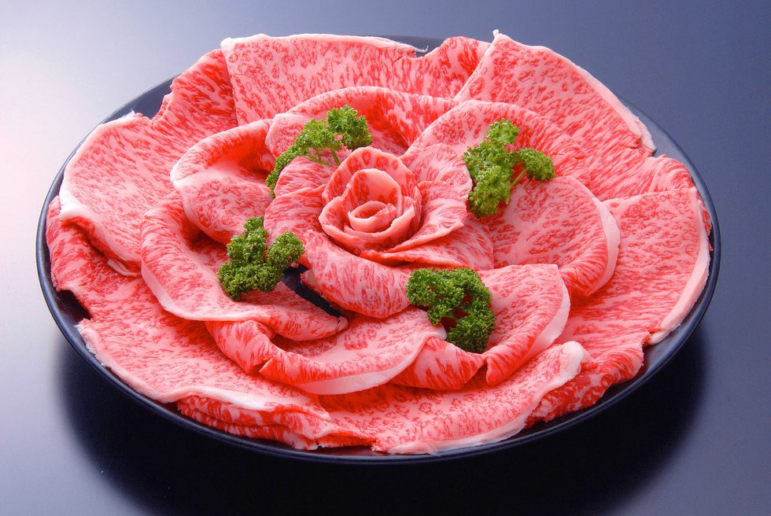
It’s important to stay fueled for your cycling trip. Shiga Prefecture offers great local cuisine to fill your stomach and help you get back on the road. Here are a few local favorites:
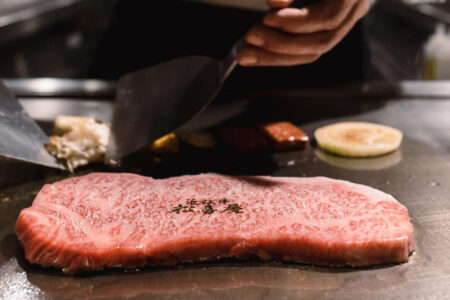
- Omi Beef: One of Japan’s top three wagyu beef brands. Known for fine marbling, tenderness, and rich flavor. Enjoy it in sukiyaki, shabu-shabu, or as a steak.
- Omi Chanpon: A lighter, regional noodle dish with a clear, soy-sauce-based broth. Generously loaded with stir-fried vegetables, pork, and seafood. A hearty, well-balanced meal for endurance cyclists, often found in places like Hikone.
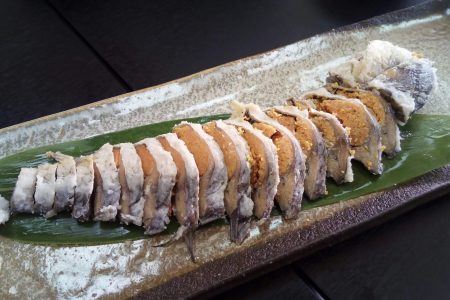
- Funazushi: The original form of Japanese sushi. Fermented nigorobuna (Lake Biwa crucian carp) and rice. It has a potent, sour flavor, similar to strong cheese—an acquired taste and a unique historical delicacy.
- Other Local Delights: Look for dishes with Lake Biwa freshwater fish like ayu (sweetfish) or tsukudani (simmered food). Enjoy the local rice, green teas, or a celebratory craft beer/sake.
Find more restaurants in Shiga
Frequently Asked Questions
Q: What is the best time of year to cycle the Biwaichi?
A: Spring (April-May) for cherry blossoms and comfortable temperatures, or Autumn (October-November) for crisp air and stunning foliage. Summer is humid, and winter brings snow to the north.
Q: Where can I rent a bicycle for the Biwaichi?
A: Major stations like Maibara, Otsu, and Hikone all have rental shops.
Q: How much does it cost?
A: Plan for roughly 1,000 to 2,000 yen per day for a standard cross bike, and up to 4,000+ yen for high-end e-bikes or road bikes. Prices may vary by shop.
Q: Can foreigners ride bicycles in Japan?
A: Absolutely. You simply need to follow local traffic laws.
Q: Do cyclists have to wear helmets?
A: Yes, helmets are a safety requirement for all cyclists.
Q: Can I park my bicycle anywhere?
A: No. Use designated bicycle parking lots (often near train stations or tourist sites).
Ready to ride? Download our guides and start planning your trip today.
Need help planning on the go? Download the official Biwaichi cycling app. Available for Android.
The Nagahama Plum Tree Bonsai Exhibition
Unleash Your Inner Shinobi: Experience Ninja Culture in Shiga Prefecture
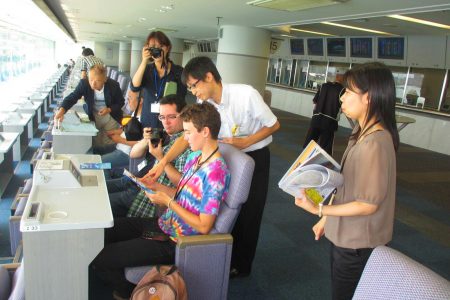
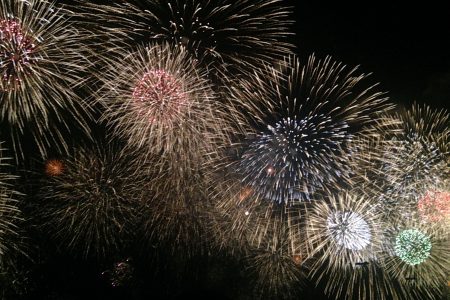
Um passeio por fotos: Curtindo comida boa e fogos de artifício em Otsu, no “Biwako Dai Hanabi Taikai”
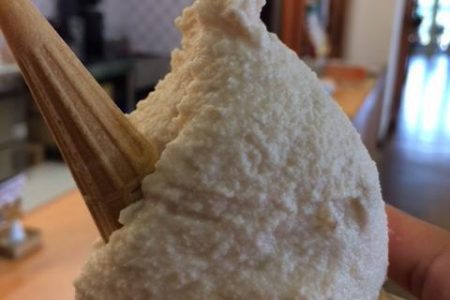
Passeio de barco (Yakatabune Shiki) pelo Lago Biwa, o maior do Japão!