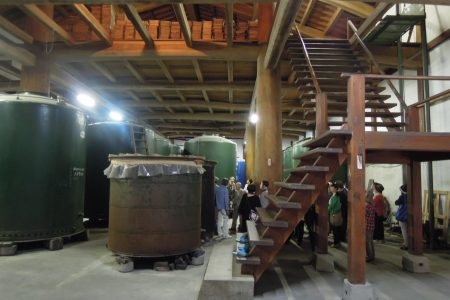


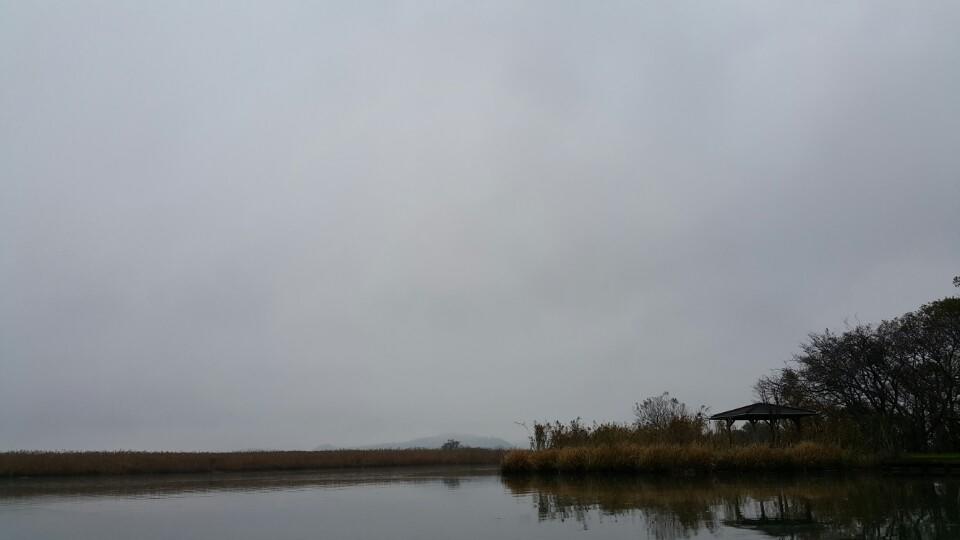
It was a blessing for me to have the opportunity to visit Omi-Hachiman. It was wonderful, unique experience to Japanese history and culture. I was able to go with my good and royal friend Tyleen Wilson (2nd year in JCMU) , and together we spent an amazing afternoon exploring this beautiful city.
We began our journey to Omi-Hachiman with visiting Himure Hachimangu Shrine.
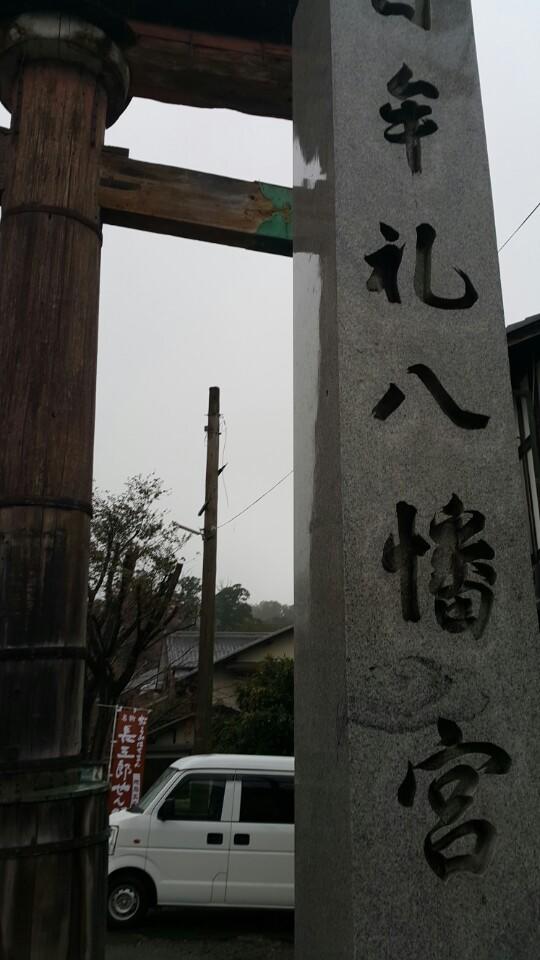
The gate of Himure-Hachimangu Shrine.
There is a giant torii (holy gate) in front of this stone. The torii functions as a divide between the sacred ground and the rest of the world.
The history of the shrine goes all the way back to the Kamakura period. The god worshiped in this shrine is Hachiman, the god of martial arts. Personally, as a fan of Edo period architecture, I enjoyed the old, authentic temple buildings from Edo period.
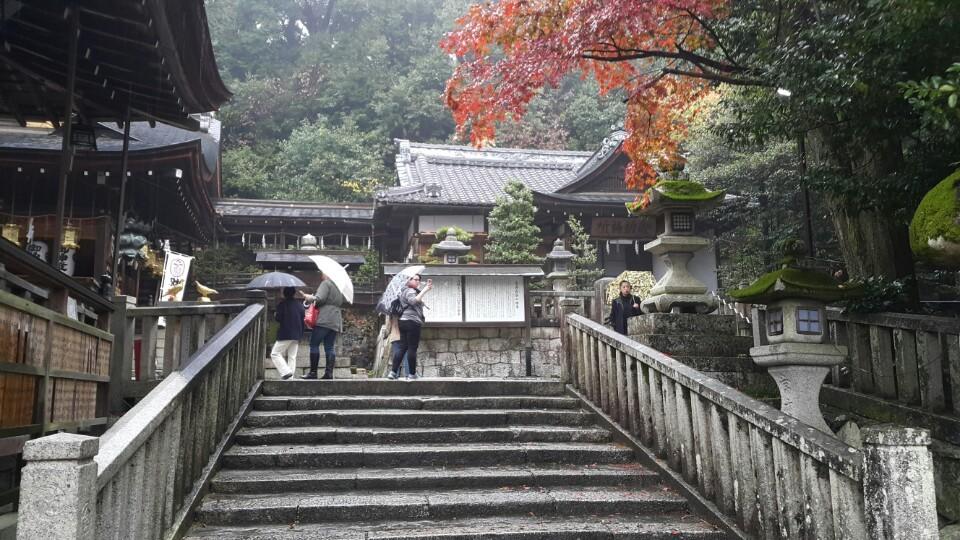
The shrine is not only historically significant, but also extremely beautiful. I was lucky that I visited shrine in the Fall because the leaves set special moods for the visitors. I would also be interested in coming here during the spring and summer because I was taught that Himure Shrine is also famous for its festivals.
And, there are golden birds.
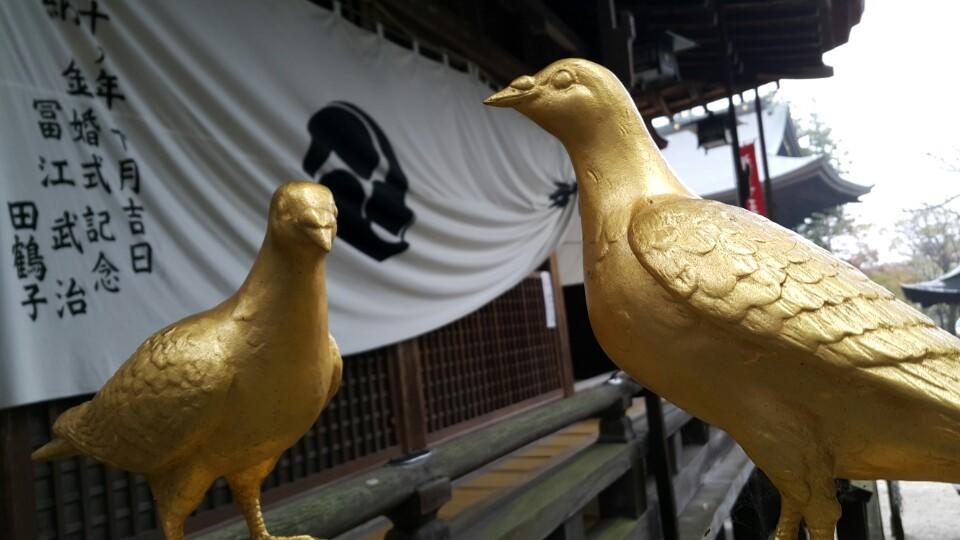
Golden.
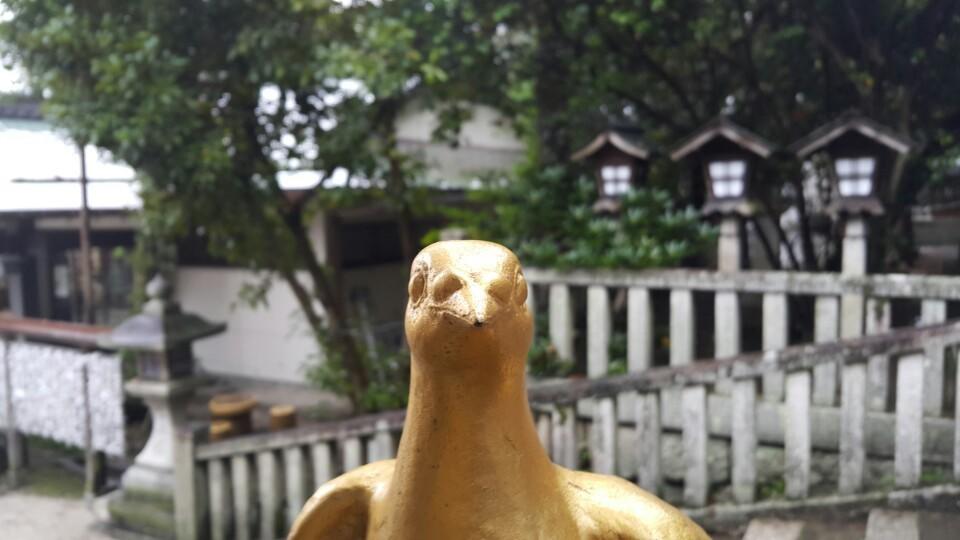
Birds.
There is a mountain right next to Himure Shrine. Hachiman Yama (Hachiman Mountain), is an amazingly gorgeous mountain which also has a rich history with samurais. Our tour guide informed us that there was an epic battle between the ruler of Japan and his own stepson. The walls of the castle where the battle took place still exists.
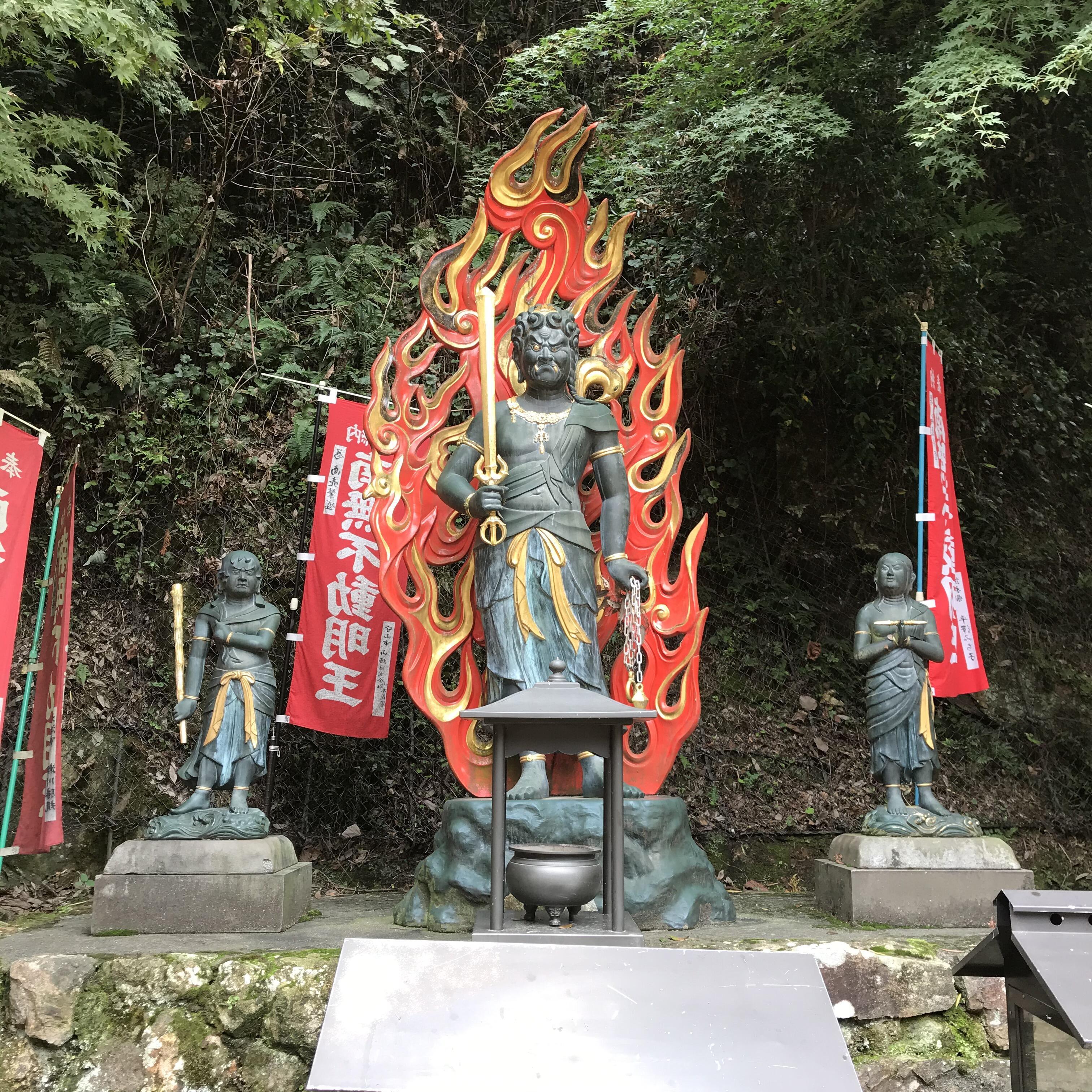
The good thing about Hachiman Yama is that there is a lift that goes up to the top. You do not have to climb (yay). I particularly enjoyed the beautiful colors of autumn leaves. Tyleen liked a little Buddhist altar along the road.
There is a castle in the mountain where samurai used to live. It is a castle that shows the mixed style between Edo period and Sengoku period. All of the stones are natural – neither carved nor modified.
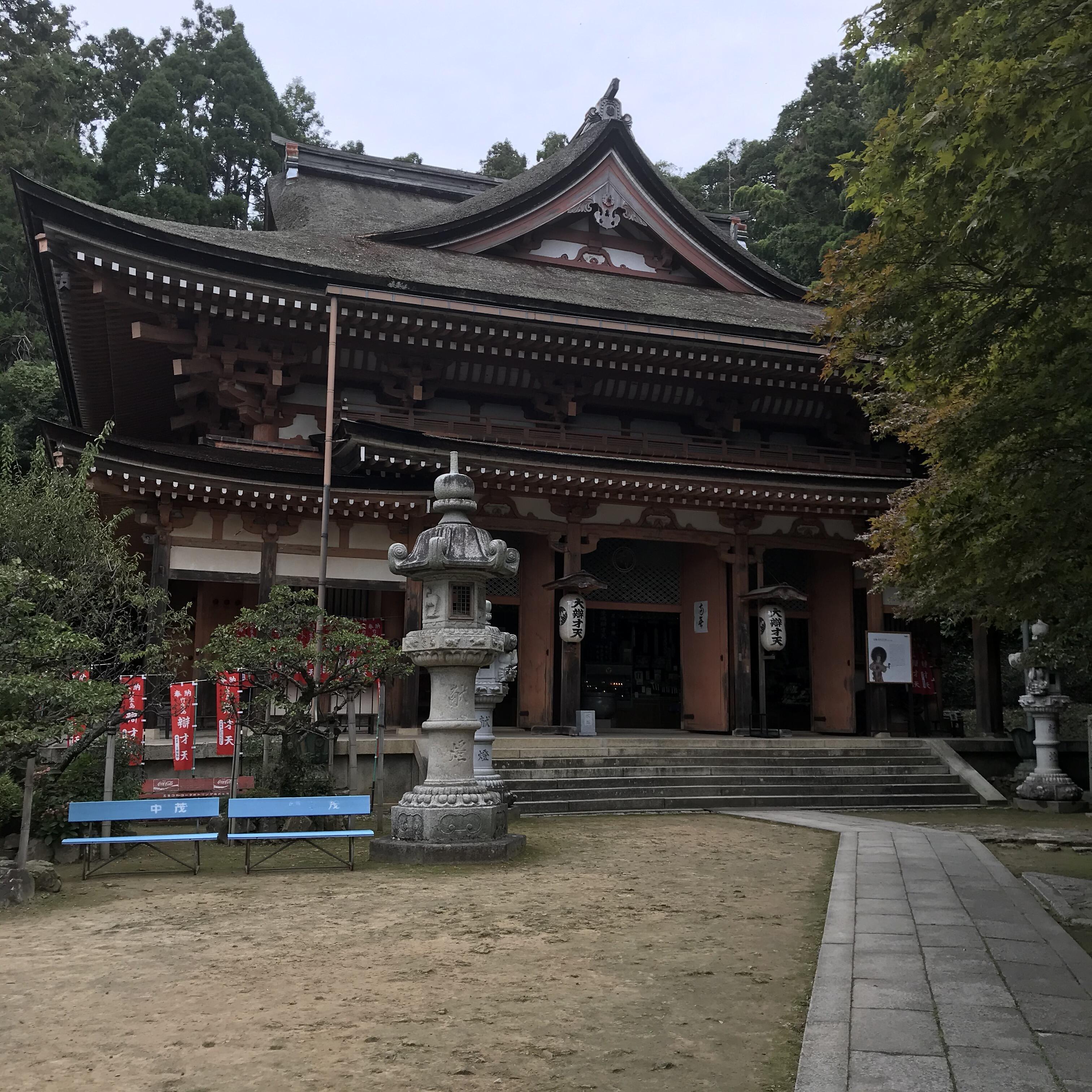
At the top of mountain.
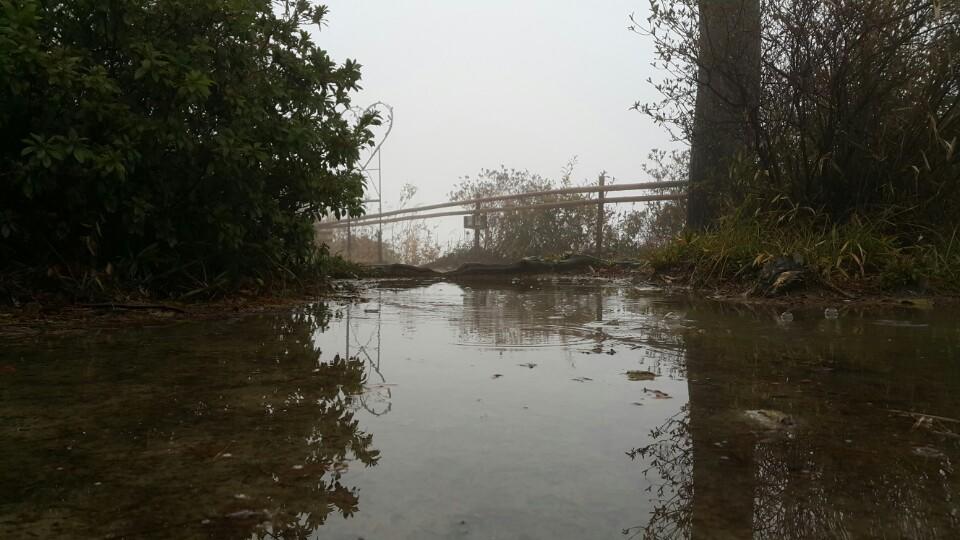
Normally, one could see the Lake Biwa from mountain with all the famous places in Omi-Hachiman. However, this day was little cloudy, so we instead enjoyed the scenery.
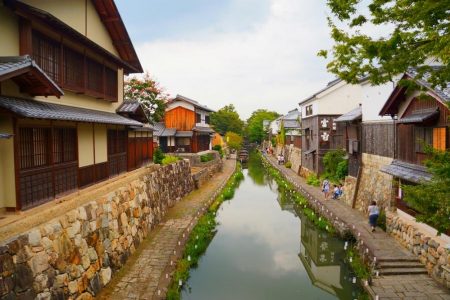
After we finished Hachiman Yama, we moved to the boat ride. It was my first time riding that type of Japanese traditional boat. It was very quiet on the river, no people, only nature, birds, fish, and calm wind.
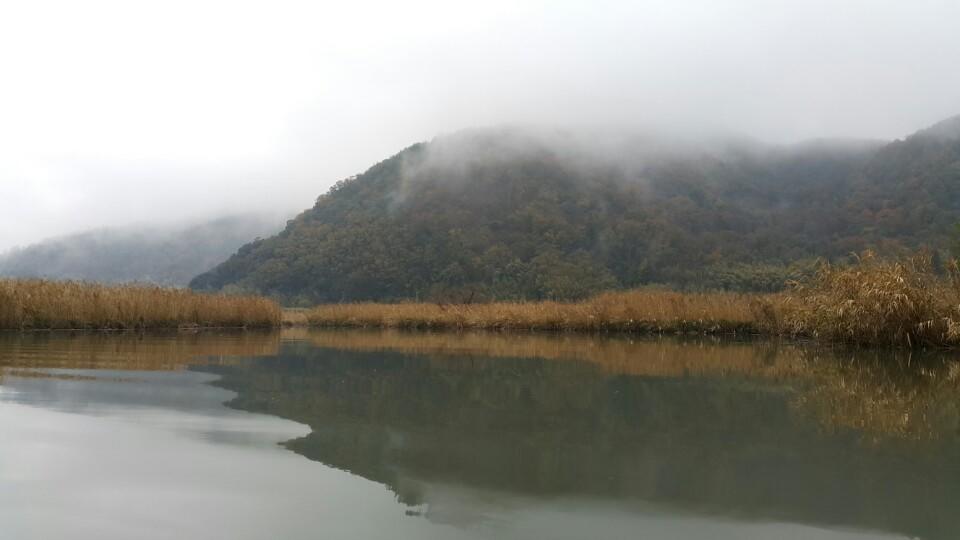
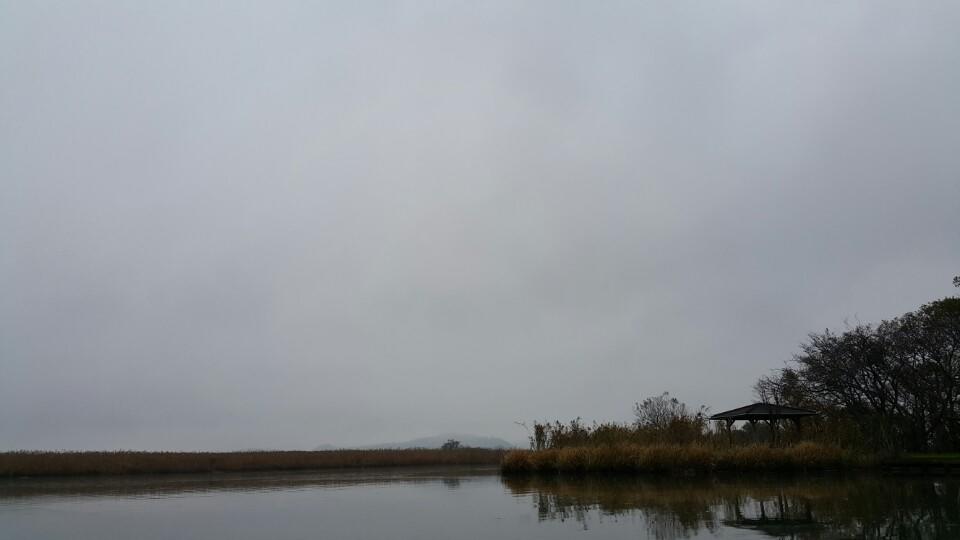
It was so tranquil. From the boat ride, we could see the mountain far away, the winding river, and traditional houses all at the same time.
It was an overall wonderful experience. In places such as Kyoto and Tokyo, while they may be exciting and popular places, they are full of noise and people. This, I think, takes away from the true beauty of Japan. In Omi-Hachiman, I experienced a place where the history can be seen in its natural beauty. For those who wish to observe the quiet beauty of Japan, I recommend a visit to Omi-Hachiman. Tyleen and I had a wonderful time.
(Author : Kim Younghoon)

Um passeio pelo Sunai no Sato: Mochitsuki, doces tradicionais, enfeites de ano novo e chá delicioso