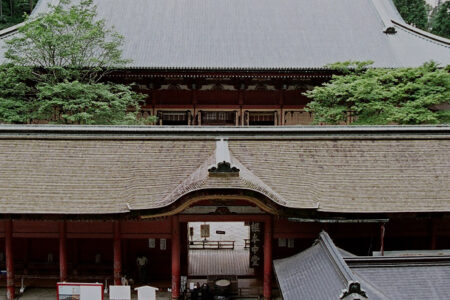


Discover Ancient Temples and Cross the Famous Seta Bridge
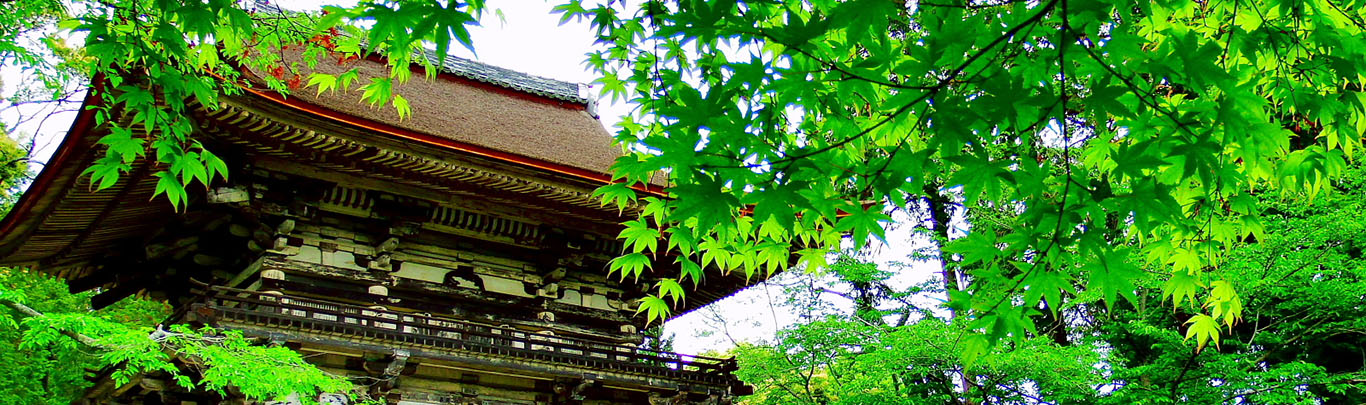
Locations
Day 1
- 1. Keihan Ishiyamadera Station
- 2. Ishiyama-dera Temple
- 3. Shijimi-chaya Koshu & Shiseian
- 4. Ishiyamadera Port
- 5. Setagawa River & Lake Biwa River Cruises
- 6. Setagawa New Port
- 7. Takebe Taisha Shrine
- 8. Seta no Karahashi Bridge
- 9. Keihan Karahashi-Mae Station
- 10. Keihan Miidera Station
- 11. Mii-dera Temple (Onjoji Temple)
- 12. Keihan Miidera Station
Day 1
Spot No. 1 Keihan Ishiyamadera Station
-
10 min on foot
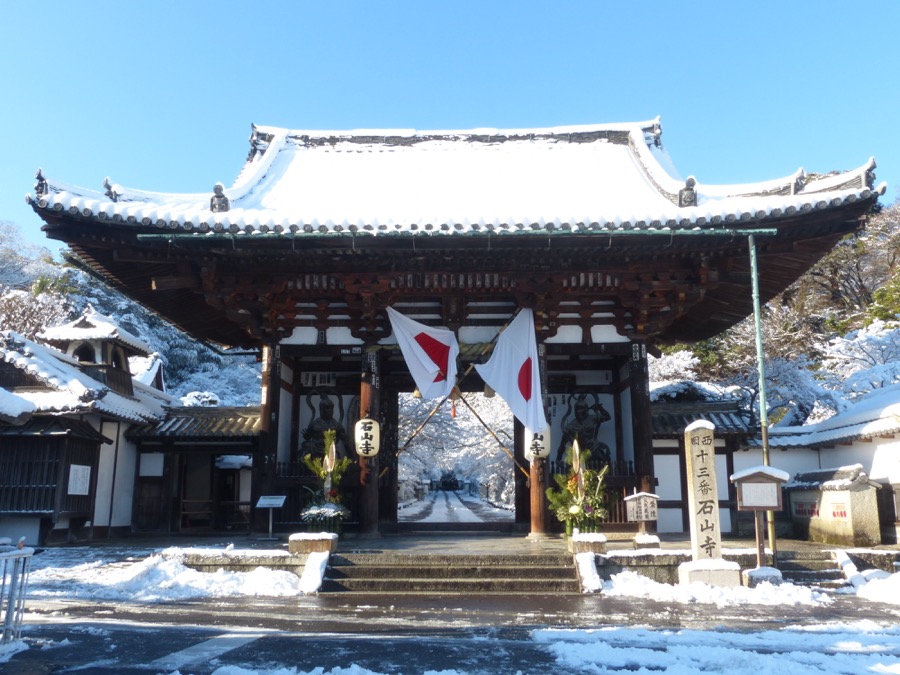
Spot No. 2 Ishiyama-dera Temple
Ishiyamadera is the 13th location on the Saigoku Kannon Pilgrimage of 33 Buddhist Temples. In its wide grounds there looms the wollastonite Natural Monument, from which the name “Ishiyama” (“stone mountain”) is taken. The temple is home to a large number of National Treasures and Important Cultural Properties, including a two storied pagoda and a variety of religious texts, Buddhist statues and scrolls.
It is said that the “The Tale of Genji,” one of Japan’s most famous texts, was conceived by its author Murasaki Shikibu when looking at harvest moon reflected in Lake Biwa during a stay at Ishiyamadera Temple. The landscape that has come to represent the mysterious power of Lake Biwa and water itself has now become a vital element of the culture of water and lifestyle.
-
Immediately Accessible on foot
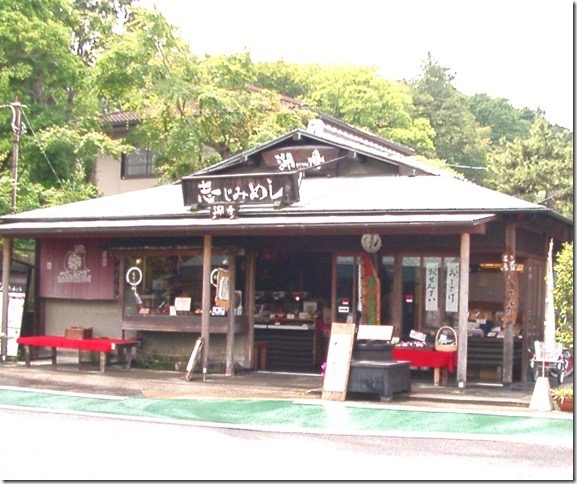
Spot No. 3 Shijimi-chaya Koshu & Shiseian
After a visit to Ishiyamadera Temple, how about settling down for a piping hot “shijimi-meshi” meal of rice, meat and vegetables cooked in a small steel pot? Make a reservation before heading to the Temple and your meal will be ready to coincide with your return.
【Trip Report】
http://en.biwako-visitors.jp/foreigners/blog/2016/09/20160913omi-curry-friendship-adventures.html
-
Immediately Accessible on foot
Spot No. 4 Ishiyamadera Port
Spot No. 5 Setagawa River & Lake Biwa River Cruises
Such scenes as the “Evening Glow at Seta” and the “Autumn Moon at Ishiyama” have been immortalized by the famous ukiyo-e painter Hiroshige Utagawa of the late Edo period (1603 – 1868) in his Eight Views of Omi. Viewing them from the “Ichiban-maru”, a ship that harkens back to times past, will provide a feeling of truly having gone back in time.
Take this opportunity for Setagawa River Cruises to provide a trip down the river that you’ll never forget.
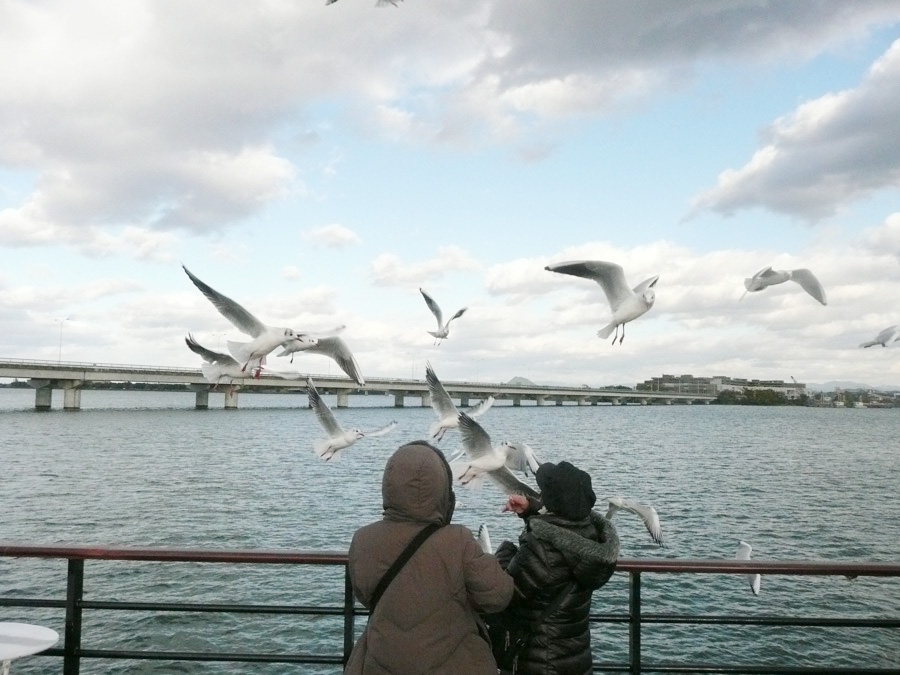
Spot No. 6 Setagawa New Port
-
20 min on foot
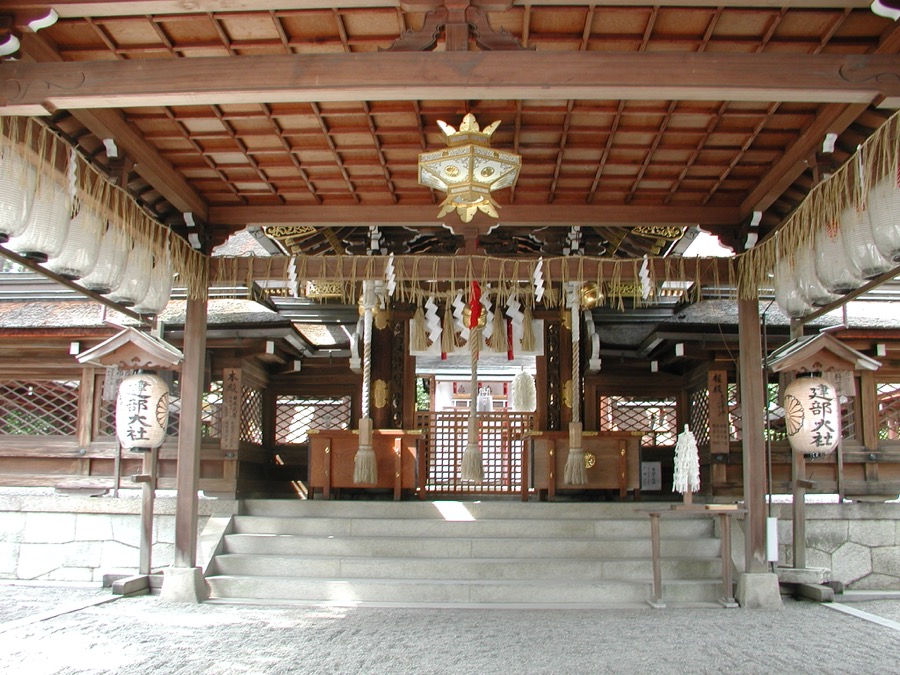
Spot No. 7 Takebe Taisha Shrine
Said to be the foremost shrine in Omi, and in terms of length of history and overall pedigree, one of the premier and oldest shrines in all of Japan. It enshrines Yamato Takeru no Mikoto, and the shrine treasure is a Heian period (794 – 1185) wooden statue of a goddess said to be Yamato Takeru no Mikoto’s queen. Both the statue and a stone lantern in the grounds are designated Important Cultural Properties.
The Senko-sai Festival, held in August each year, is one of the representiative festivals of Takebe Tasisha Shrine. It is based in the events of Yamato Takeru’s crossing of the sea. The Setagawa River becomes the sea route that he used, with a mikoshi shrine sailing down it, and overall the festival is a strong repsentation of the gratitude offered for the blessings of water to both Lake Biwa and the Setagawa River that is one with it.
-
10 min on foot
Spot No. 8 Seta no Karahashi Bridge
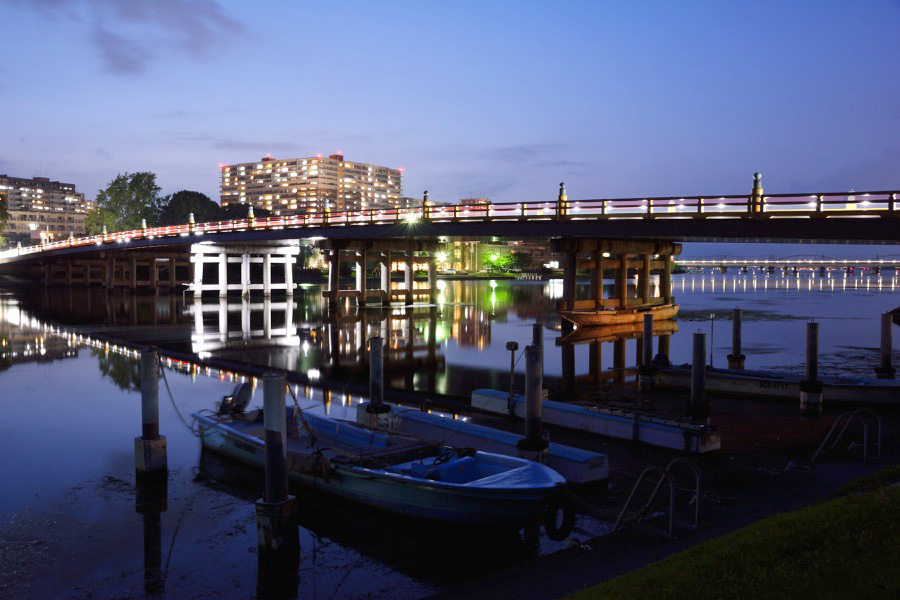
Seta no Karahashi Bridge is one of the Three Famous Bridges of Japan, and has also been immortalized in “Evening Glow at Seta,” one of the Eight Views of Omi. In the past it has been called the Setahashi Bridge and Seta no Nagahashi (“long bridge”), and it is even mentioned in the Nihon-shoki, the oldest chronicles of Japan. Its current condition is as created by the feudal warlord Nobunaga Oda.
-
5 min on foot
Spot No. 9 Keihan Karahashi-Mae Station
-
25 min by train
Spot No. 10 Keihan Miidera Station
-
10 min on foot
Spot No. 11 Mii-dera Temple (Onjoji Temple)
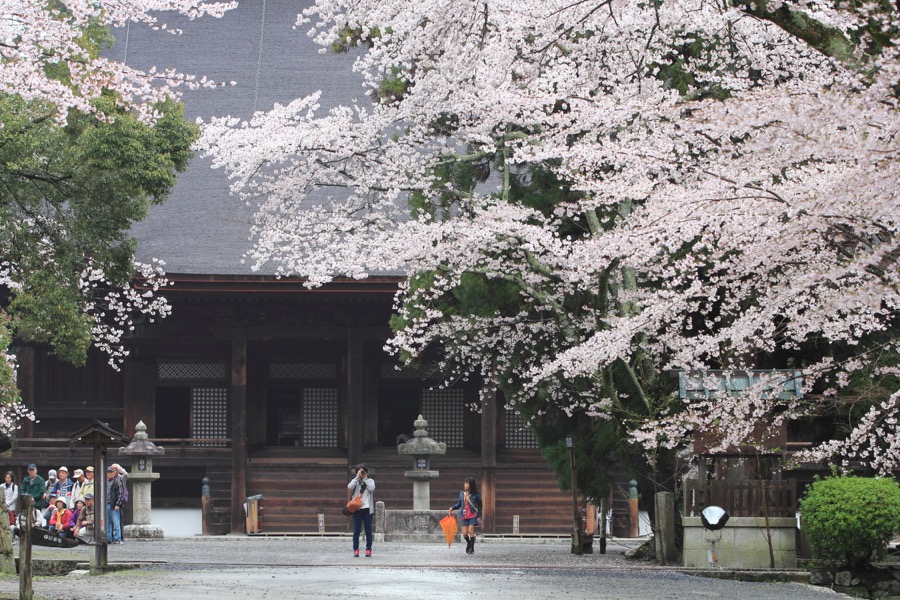
Mii-dera Temple is the head temple of the Tendaijimon Buddhist sect. It is comprised of numerous buildings, including the Kondo, a National Treasure, the Kannondo Hall, which is the 14th site on the Saigoku Kannon Pilgrimage, the Shakado, and the Toin. It also became a Japan Heritage site in 2015, and is home to more than 100 National Treasures and Important Cultural Properties. It is also a spot often used for the filming of movies, including recently being featured in the live action adaptation of the popular anime “Rurouni Kenshin.”
-
10 min on foot
Spot No. 12 Keihan Miidera Station
Enjoy Shopping with Scenic Views of Lake Biwa
Takashima Waterside Heritage and Chikubushima Island Tour
Tour Historic Temples and Ride the Sakamoto Cable Car
Mount Hiei Peak to Sakamoto Valley Historic Day Trip