

日本文化體驗
Locations
Day 1
- 1. JR Otsu Station
- 2. Seiga Style Samurai Kembu
- 3. Old Tokaido Road
- 4. Keihan Shimanoseki Station
- 5. Keihan Biwako-Hamaotsu Station
- 6. Mii-dera Temple (Onjoji Temple)
- 7. Keihan Miidera Station
- 8. Keihan Omijingumae Station
- 9. Omi Jingu Shrine
- 10. Keihan Omijingumae Station
- 11. Keihan Biwako-Hamaotsu Station
- 12. Himure Hachimangu Shrine
- 13. Keihan Biwako-Hamaotsu Station
Day 1
Spot No. 1 JR Otsu Station
-
5 min on foot
Spot No. 2 Seiga Style Samurai Kembu
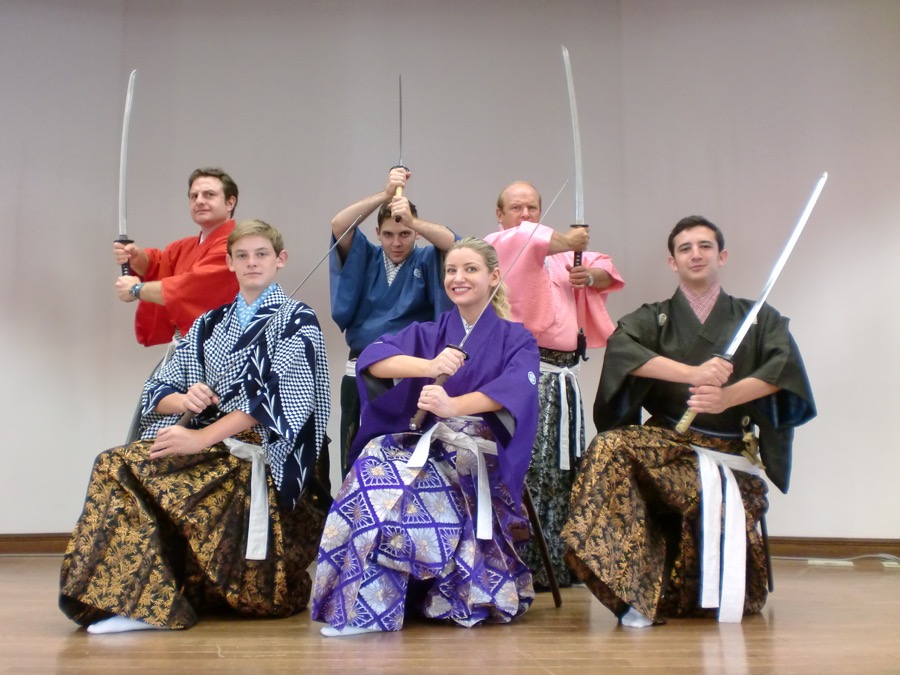
Experience the traditional art of “kembu,” literally meaning “sword dance.” The experience is open to all, from single participants through to families, groups and tours. Reservations are required but can sometimes be made even on the day, so please don’t hesitate to call and inquire. Programs are also offered for tourists from overseas, in principle in English but with some capacity for Chinese.
-
5 min on foot
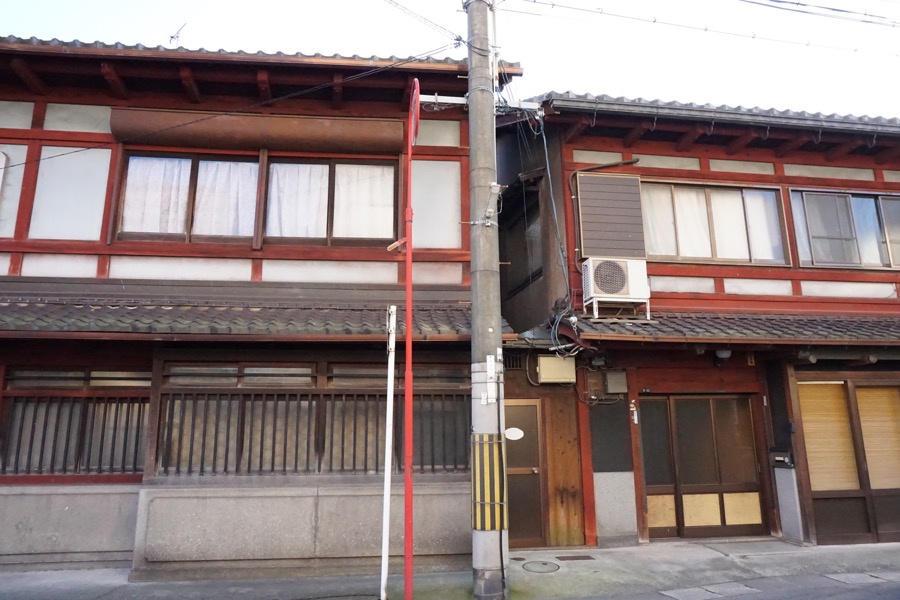
Spot No. 3 Old Tokaido Road
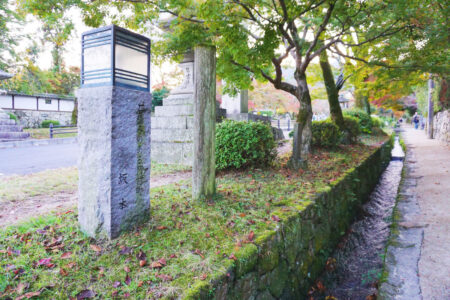
The Old Tokaido Road was completed during the Edo period (1603 – 1868), and is one of the five old roads that connected Nihonbashi in Edo with Sanjo in Kyoto. The road and its environs still retain the atmosphere of the Edo period today.
-
3 min on foot
Spot No. 4 Keihan Shimanoseki Station
-
3 min by train
Spot No. 5 Keihan Biwako-Hamaotsu Station
-
14 min on foot
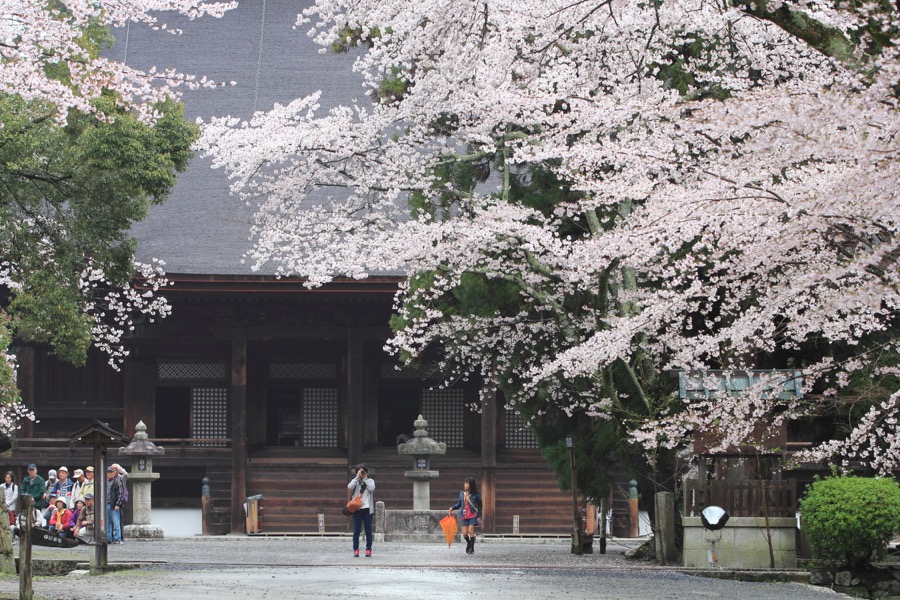
Spot No. 6 Mii-dera Temple (Onjoji Temple)
Mii-dera Temple is the head temple of the Tendaijimon Buddhist sect. It is comprised of numerous buildings, including the Kondo, a National Treasure, the Kannondo Hall, which is the 14th site on the Saigoku Kannon Pilgrimage, the Shakado, and the Toin. It also became a Japan Heritage site in 2015, and is home to more than 100 National Treasures and Important Cultural Properties. It is also a spot often used for the filming of movies, including recently being featured in the live action adaptation of the popular anime “Rurouni Kenshin.”
-
9 min on foot
Spot No. 7 Keihan Miidera Station
-
4 min by train
Spot No. 8 Keihan Omijingumae Station
-
6 min on foot
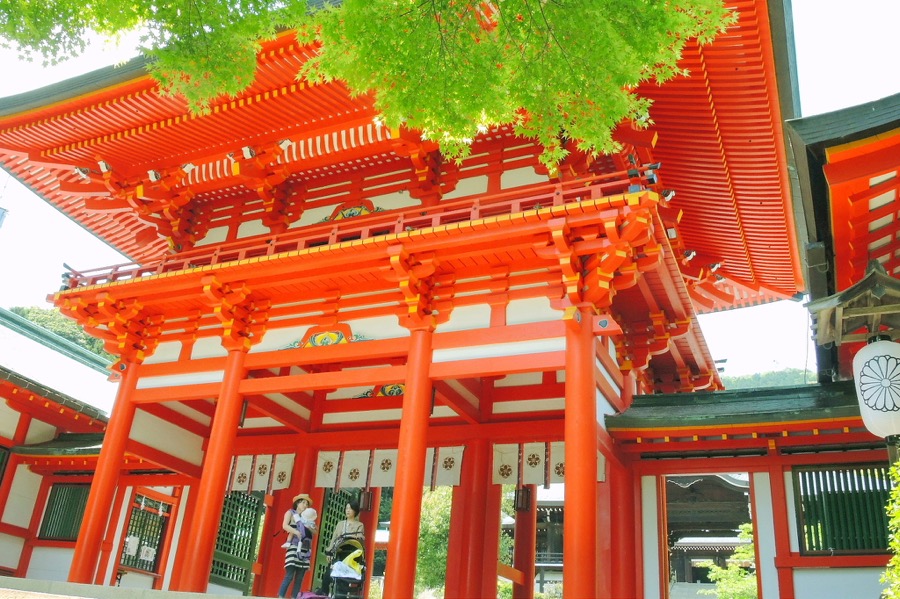
Spot No. 9 Omi Jingu Shrine
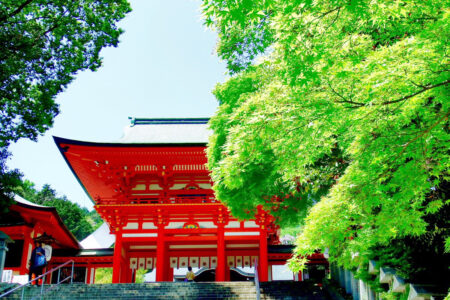
Omi Jingu Shrine is a registered Cultural Property, and a representative example of the Showa period (1926 – 1989) shrine construction known as Omi construction or Showa construction. Women can rent kimono to wear. (Reception from 9:30 – 15:30, not available on Mondays other than holidays). Omi Jingu Shrine is also a location featured in the anime “Chihayafuru.”
【Trip Report】
http://en.biwako-visitors.jp/foreigners/blog/2017/01/20170114-otsu-trip-part2.html
http://en.biwako-visitors.jp/foreigners/blog/2017/01/20170114otsu-trip.html
-
6 min on foot
Spot No. 10 Keihan Omijingumae Station
-
7 min by train
Spot No. 11 Keihan Biwako-Hamaotsu Station
-
Immediately Accessible on foot
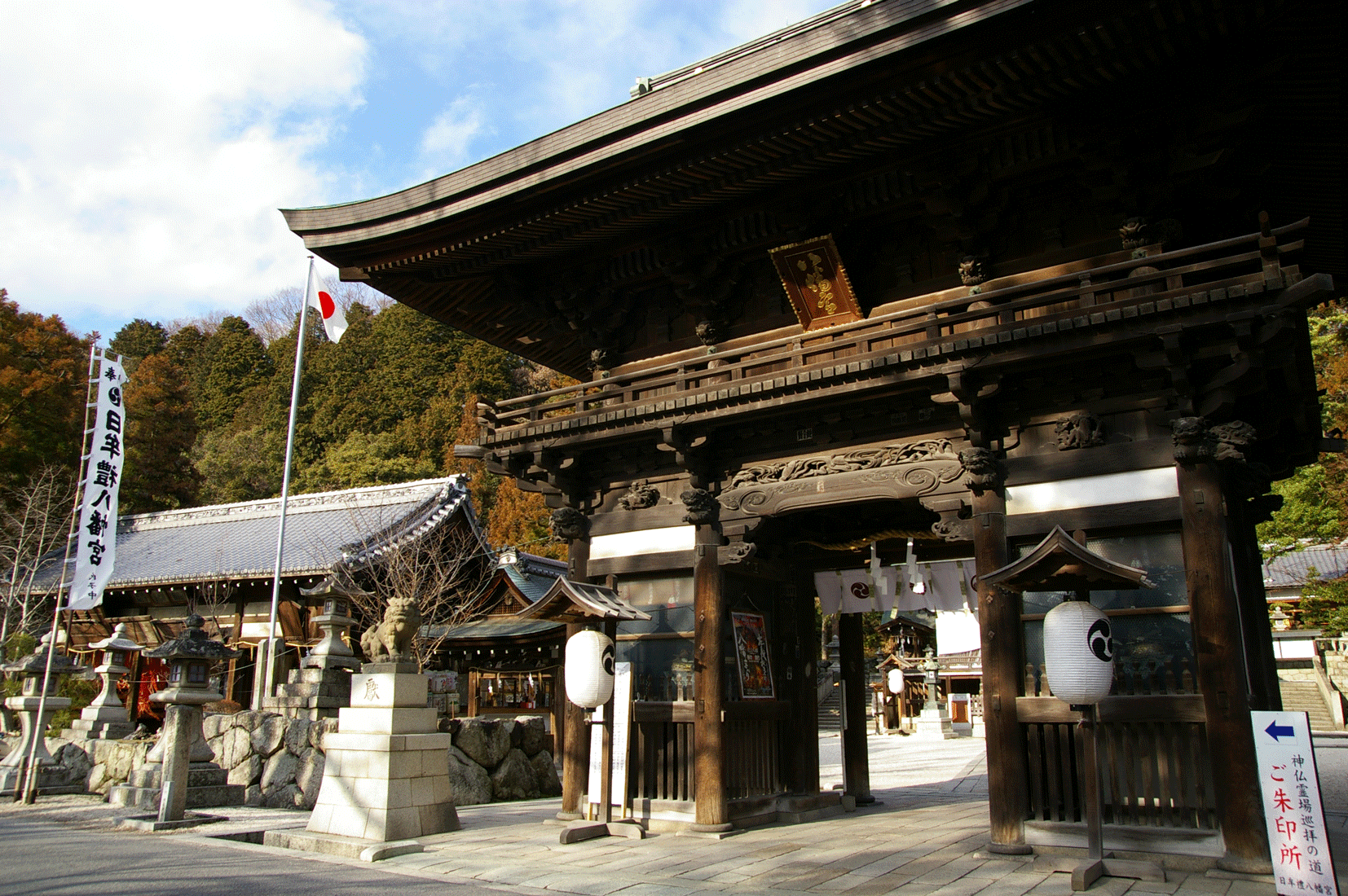
Spot No. 12 Himure Hachimangu Shrine
A veritable forest of trees grows on the vast, 44,000 square meter shrine grounds. Passing through them and then the tower gate will bring you to the shrine buildings themselves. Furthermore, the “Sagicho Matsuri” bonfire festival and “Hachiman Matsuri” festival held here are both designated Intangible Folk Culture Properties.
【Trip Report】
http://en.biwako-visitors.jp/foreigners/blog/2016/09/20160917hachimanborimatsurifestival.html
http://en.biwako-visitors.jp/foreigners/blog/2016/09/20160917-hachimanbori-matsurifestival-part2.html
-
4 min on foot
Spot No. 13 Keihan Biwako-Hamaotsu Station
Discover Ancient Temples and Cross the Famous Seta Bridge
Tour Historic Temples and Ride the Sakamoto Cable Car
Reveal the Roots of Japan’s Spiritual & Cultural Heritage