

Cycle Through Time Along Historical Roads & Canals
Locations
Day 1
Day 1
Spot No. 1 JR Omi-Hachiman Station
-
9 min by bicycle
Spot No. 2 Ikeda-cho Western-Style Residential Street
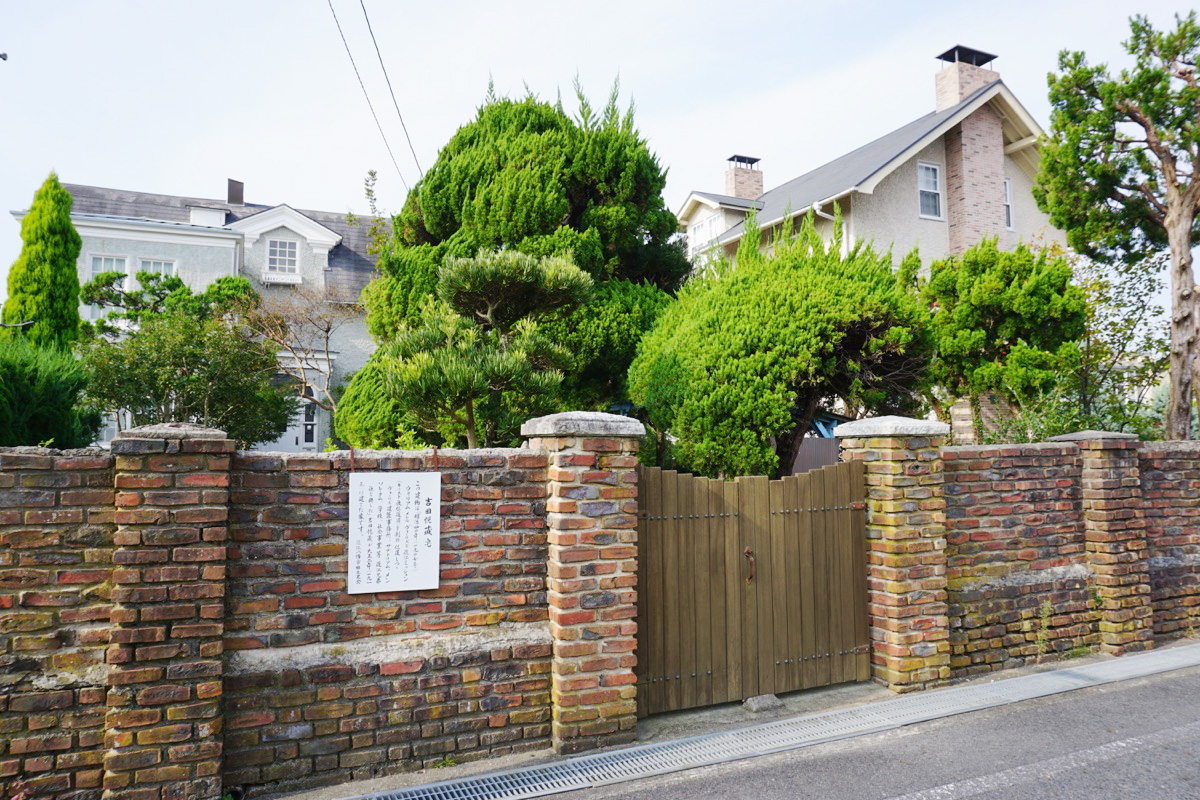
The red brick wall brings out a retro atmosphere along the 100m length of this western-style residential street in Ikeda-cho. Built in the American colonial style, the architect Vories and his wife lived here.
-
7 min by bicycle
Spot No. 3 Hachiman-bori Canal
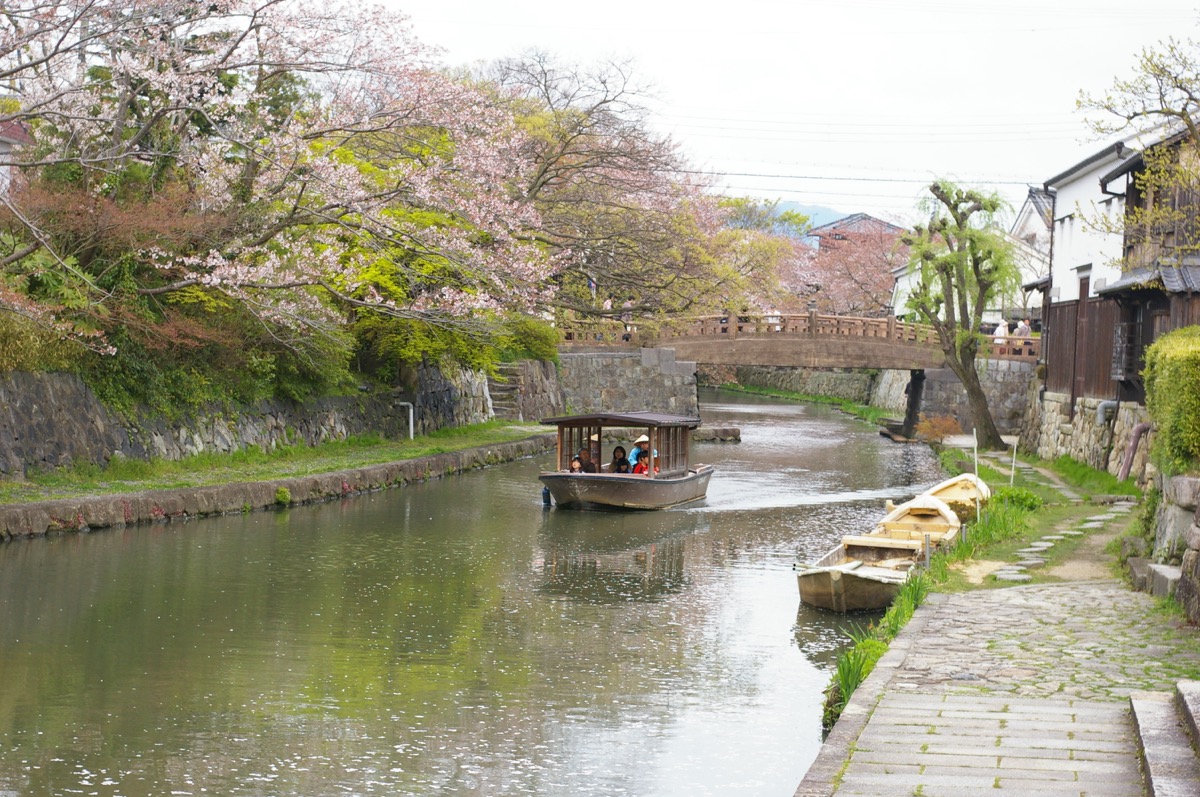
The Hachiman-bori Canal was a mainstay in regional economics and transportation until the start of the Showa period (1926 – 1989). White-walled storehouses and old houses stand along the canal, clearly imparting the atmosphere of the area at its peak. In recent years it has become a famous spot for sightseeing, with such features as the harbor being renovated. It is also a spot often used for filming TV shows and movies, and was recently featured in the live action adaptation of the popular anime “Rurouni Kenshin.”
You can also take a pleasure cruise down the Hachiman-bori Canal, enjoying the seasonal scenery that includes cherry trees and iris flowers planted along its banks.
●Route: Round trip along the route Hachiman-bori Pier → Himure Hachimangu Shrine → Shinmachihama → Red Brick Factory Ruins
【Trip Report】
http://en.biwako-visitors.jp/foreigners/blog/2016/09/20160917hachimanborimatsurifestival.html
http://en.biwako-visitors.jp/foreigners/blog/2016/09/20160917-hachimanbori-matsurifestival-part2.html
-
Immediately Accessible by bicycle
Spot No. 4 Cobbled Lanes
The “Ishitatami no Komichi” (Cobbled Lanes) is a commercial area that offers everything from shopping through to dining, preserving the historical scenery of Hachiman waterways while letting you experience what it must have been like to walk those streets in olden times.
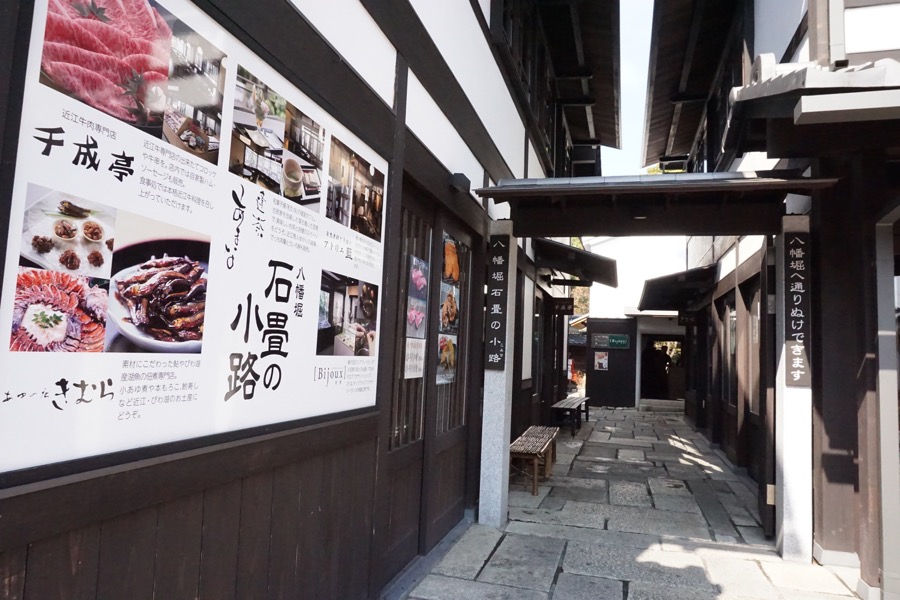
-
1 min by bicycle
Spot No. 5 Haku-unkan
Haku-unkan (former Hachian Higashi School) is a school building that was erected in 1877, fusing Western construction with traditional Japanese techniques. Omi-Hachiman City has worked under the auspices of regional promotion to preserve and repair this building, in order to ensure that this historic cultural property is passed down to future generations.
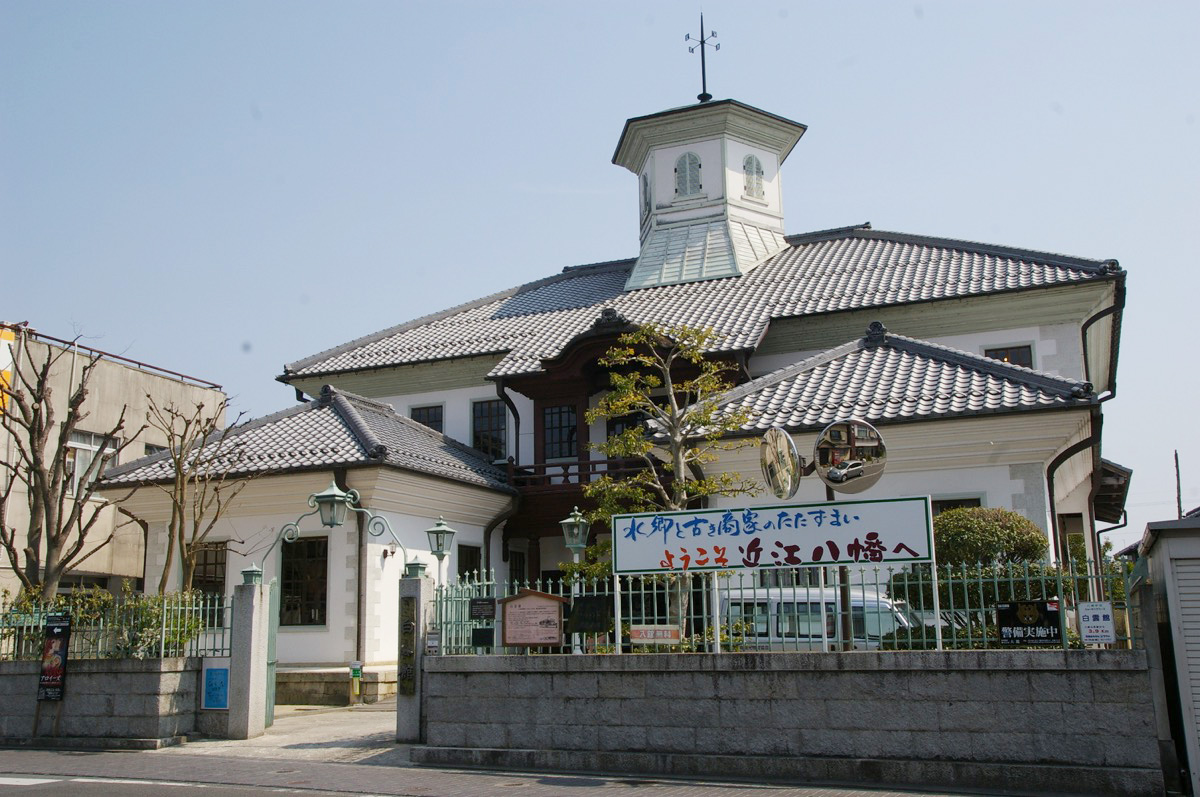
-
Immediately Accessible by bicycle
Spot No. 6 Korean Messengers’ Road
The road once used by the Korean messengers traveling to Edo. The messengers would depart from Seoul, take to a ship from Pusan and then cross the Seto Inland Sea from Tsushima, then take the Yodogawa River to Kyoto before heading overland along the Nakasendo and Tokaido roads. The length of this journey was approximately 2,000km, with the roundtrip taking about a year.
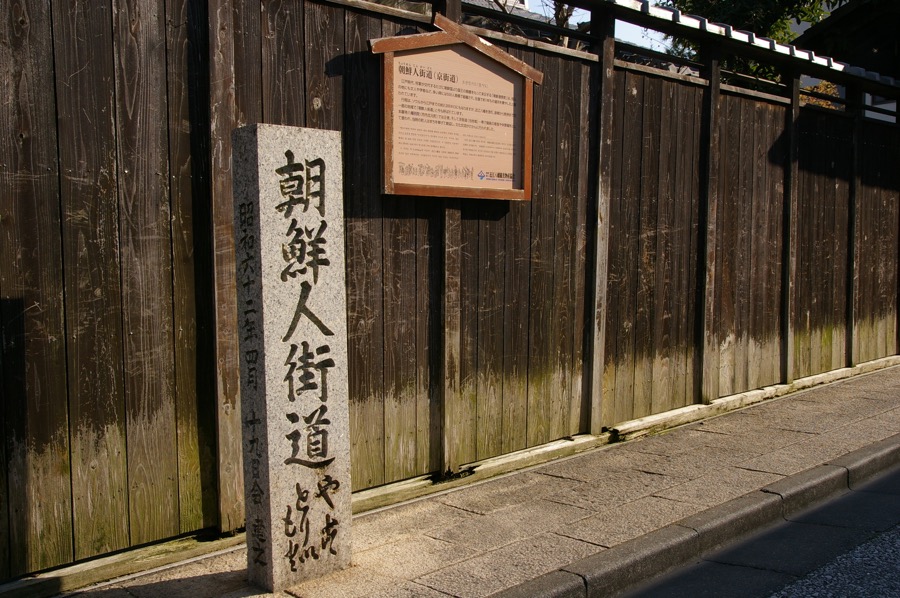
-
Immediately Accessible by bicycle
Spot No. 7 Omihachiman City Museum
A historic folk materials museum located on Shinmachi street that retains its aspect from the Edo period (1603 – 1868). A textbook example of an Omi merchant building, it is designated as a national Important Cultural Property.
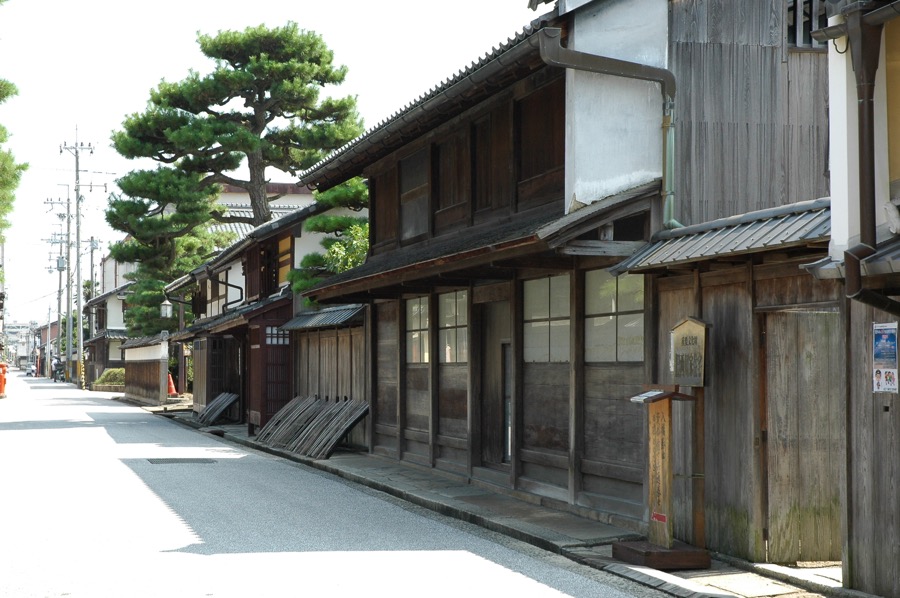
-
5 min by bicycle
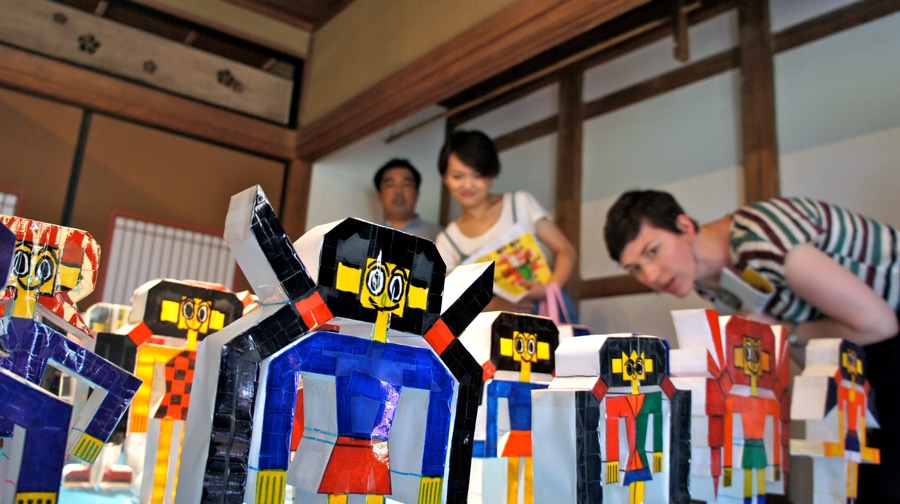
Spot No. 8 Borderless Art Museum NO-MA
The “Borderless Art Museum NO-MA,” renovated in June 2004, stands in the historic Preservation District for Groups of Traditional Buildings in Omi-Hachiman City, Shiga, making use of the Japanese-style rooms, storeroom and other features of a townhouse from the start of the Showa period (1926 – 1989). The museum is characterized not only by principally featuring pieces by those with disabilities, but also by allowing visitors to feel “the universal power for expression shared by all people” by placing these works alongside those of able-bodied artists.
-
2 min by bicycle
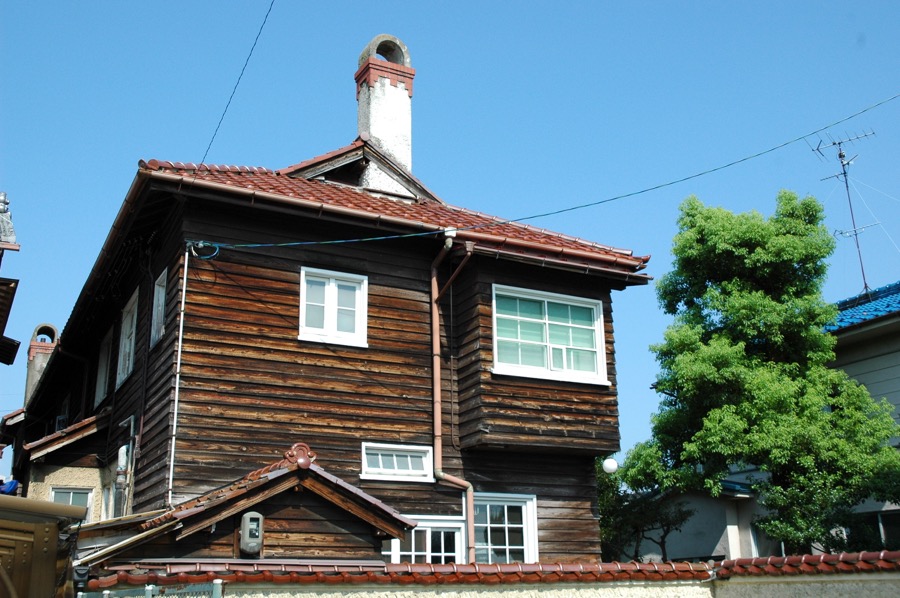
Spot No. 9 Vories Memorial Hall
William Merrell Vories is the most famous former resident of Omi-Hachiman City and the founder of the Omi Brotherhood company, and the house in which he lived with his wife Makiko is now operated as the Vories Memorial Hall. Tours require a prior reservation.
-
1 min by bicycle
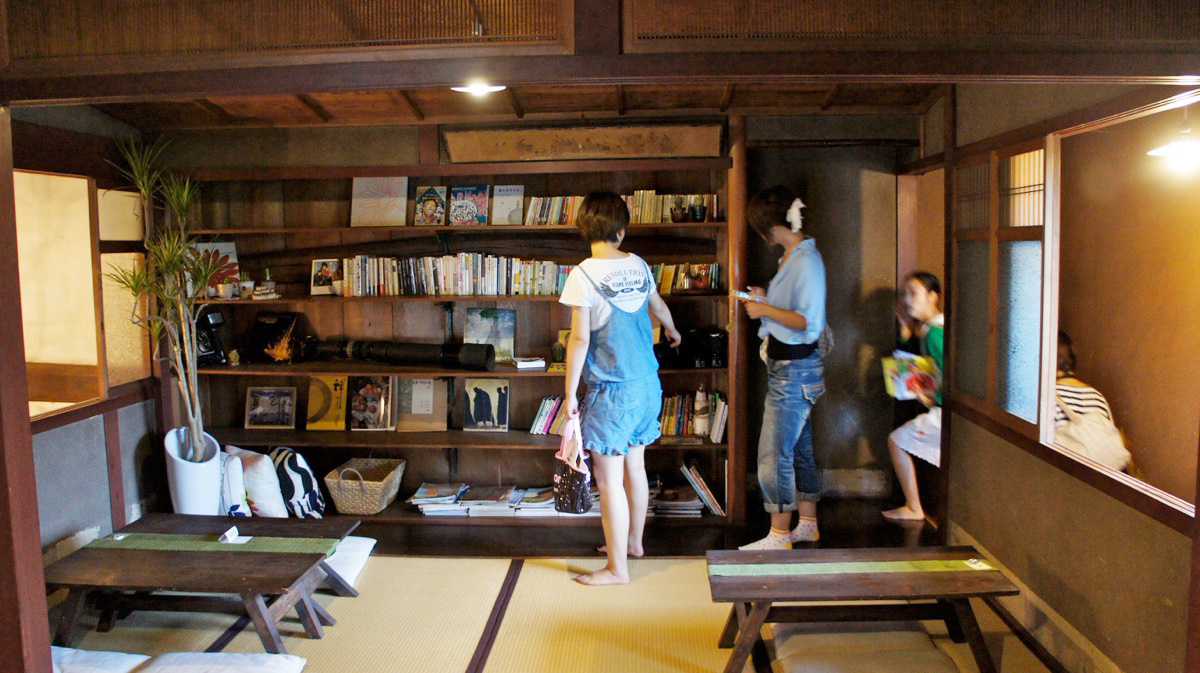
Spot No. 10 Oga Showten
The “Oga Showten” is a collection shops and galleries located in a house 150 years old, and was established by four individuals as a place for new creation and dissemination of information. The building was a sugar seller before the war and then sold footwear afterward. After 150 years, the Oga Showten is still going strong.
-
11 min by bicycle
Spot No. 11 JR Omi-Hachiman Station
Visit the Azuchi Castle Ruins and Historic Hachiman Canal
National Treasure Hikone Castle and Sacred Places
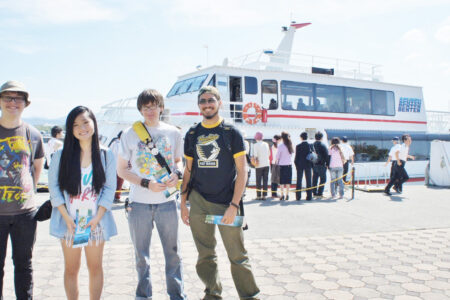
See Hikone-jo Castle National Treasure and Become Lucky in Love
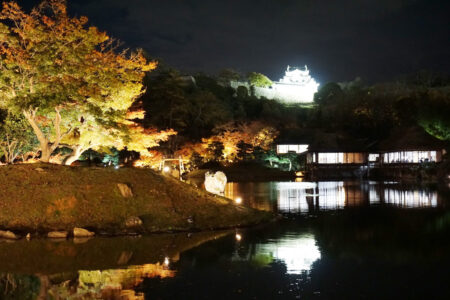
Explore the Core Values of Japan Through the Life and Legacy of the “Omi Merchants”
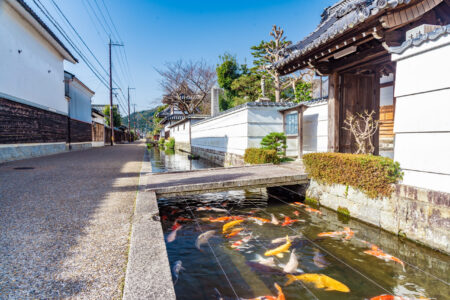
Historic Hikone Castle Walk and Yumekyobashi Shopping
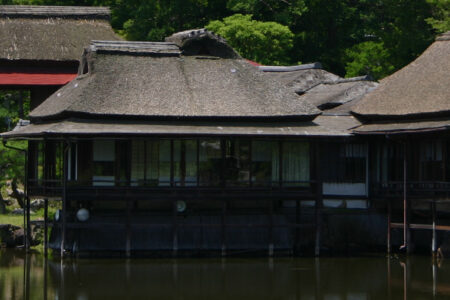
Reveal the Roots of Japan’s Spiritual & Cultural Heritage