

Tour Ancient Temples and Cruise the Waters of Nagahama
Locations
Day 1
Day 1
Spot No. 1 Hokuriku Expressway Nagahama IC
-
10 min by taxi (car)
Spot No. 2 Nagahama Castle History Museum
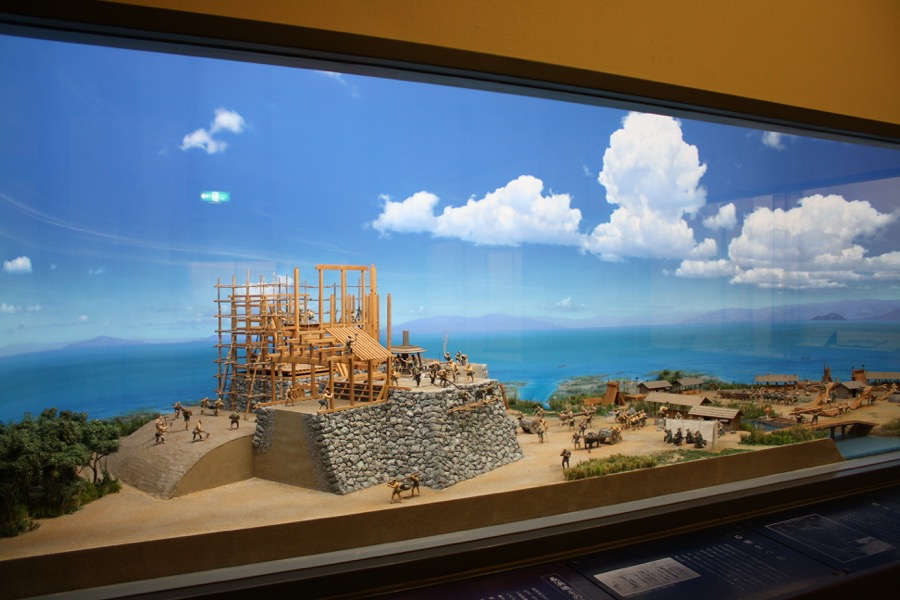
Nagahama Castle was abandoned during the start of the Edo Period (1603 – 1868), the remains transferred to Hikone Castle and Daitsuji Temple, leaving only a stone wall and well behind. Then, in 1983 the castle was reconstructed based on its appearance during the Azuchi-Momoyama period (1573 – 1603), with the interior featuring a history museum. The Nagahama Castle History Museum displays materials relating to feudal lord Hideyoshi Toyotomi and Nagahama, while the observation deck on the fifth floor gives a wonderful view out across the north of the lake.
-
5 min on foot
Spot No. 3 Nagahama Port
-
30 min by ship
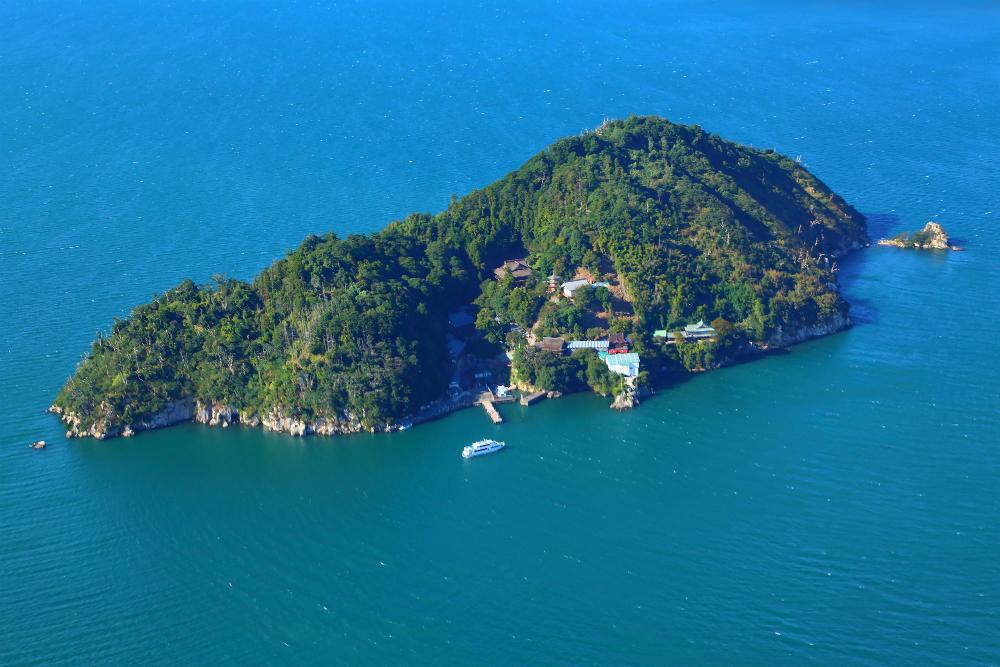
Spot No. 4 Chikubushima Island
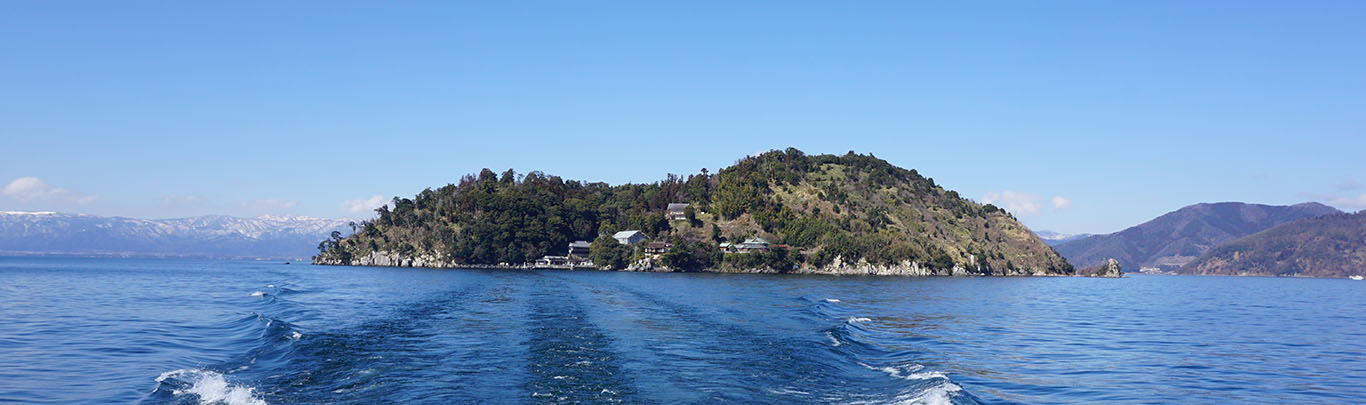
This small island, with a circumference of just 2km, is located in the offing of Lake Biwa, approximately 6km from shore. Here you can find both Hogonji Temple and Tsukubusuma-jinja Shrine. The Benzaiten (Sarasvati) at Hogonji Temple is known as one of the three best in Japan, and the temple also receives many visitors as the 30th location on the Saigoku Kannon Pilgrimage.
The gabled karamon gate at Hogonji Temple is said to be only remaining piece of Hideyoshi’s Osaka-jo Castle, and it is a registered national treasure alongside the main shrine at Tsukubusuma-jinja Shrine. Revered since ancient times as an island where the god of water dwells, this god has also been worshipped for providing safe passage for travel across water. The island is now widely known as one of the most powerful spots for spiritual energy on Lake Biwa, and is a place to truly experience water and prayer.
-
30 min by ship
Spot No. 5 Nagahama Port
-
5 min by taxi (car)
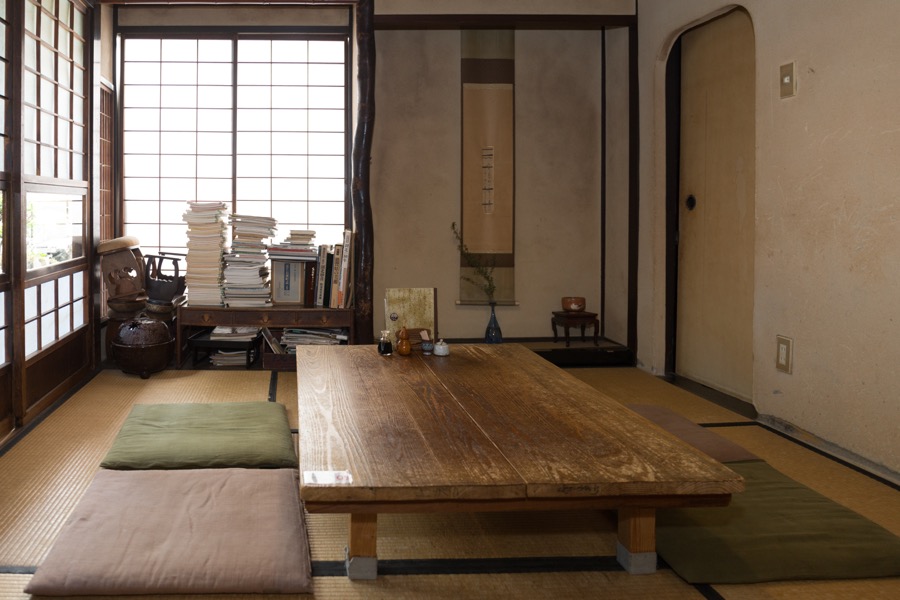
Spot No. 6 Yokaro
The Hokkoku Kaido Road once thronged with travelers and merchants, and many old temples, shrines and buildings remain standing along it, of which Yokaro is one. They are most famous for their “fried mackerel somen” noodles, a traditional Nagahama household dish often served at religious ceremonies and events in which sweet and sour fried mackerel is stewed with noodles.
-
Immediately Accessible on foot
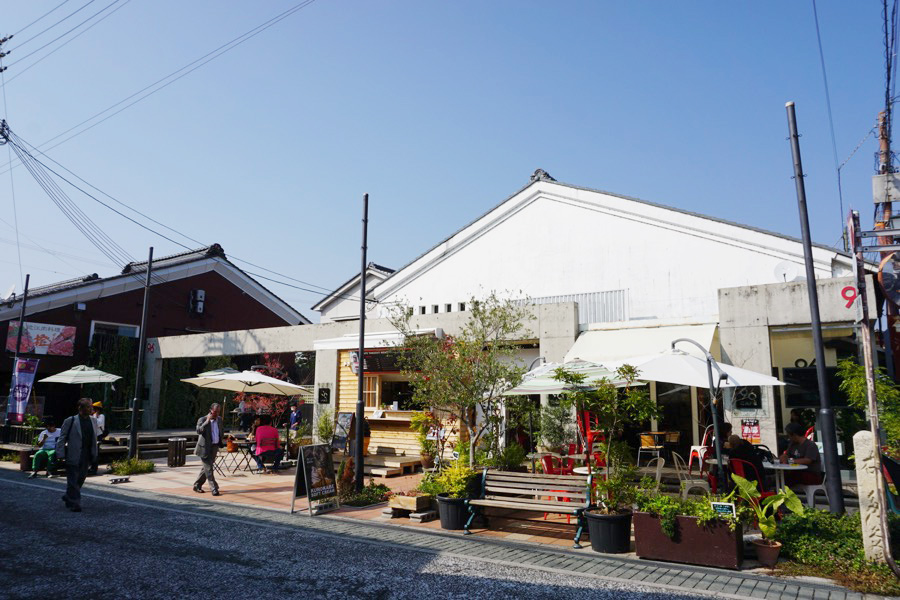
Spot No. 7 Kurokabe Square
The Kurokabe Square building was erected during the Meiji period (1868-1912) as a bank. It is currently used as a gallery for glassware, displaying and selling such items as glass accessories and music boxes. They also offer hands-on lessons that include making glass accessories and stained glass.
【Trip Report】
-
Immediately Accessible on foot
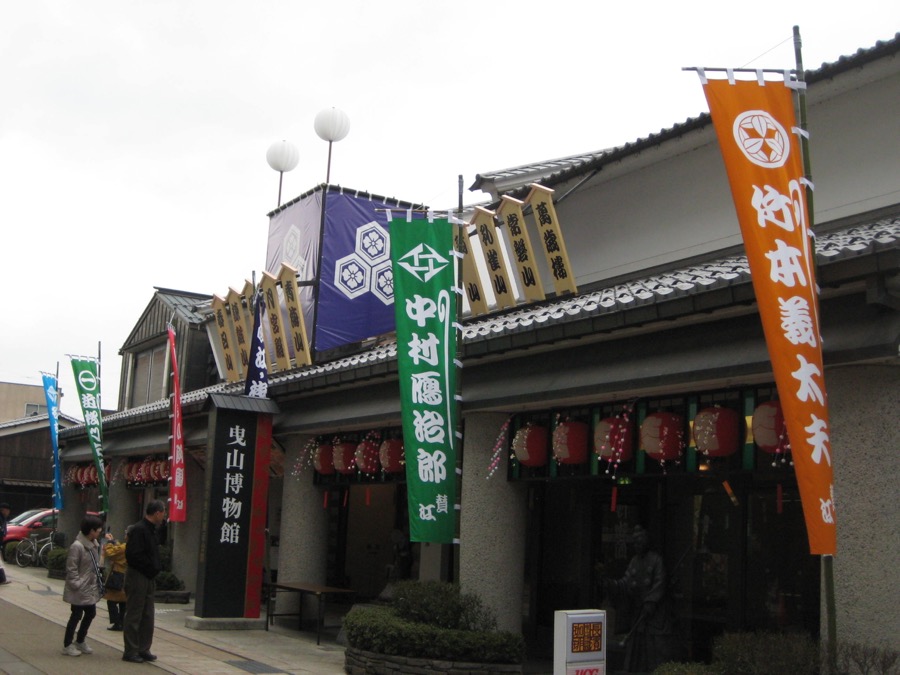
Spot No. 8 Nagahama City Hikiyama Museum
A museum that explains the history and culture of the Hikiyama Festival. You can see actual hikiyama floats used during the festival and video of the traditional performances of children on the floats during the event. The Hikiyama Festival itself is gorgeous enough to have been called a “moving museum,” bringing together traditional Japanese techniques including metalwork, wood carving and lacquer work.
-
25 min by taxi (car)
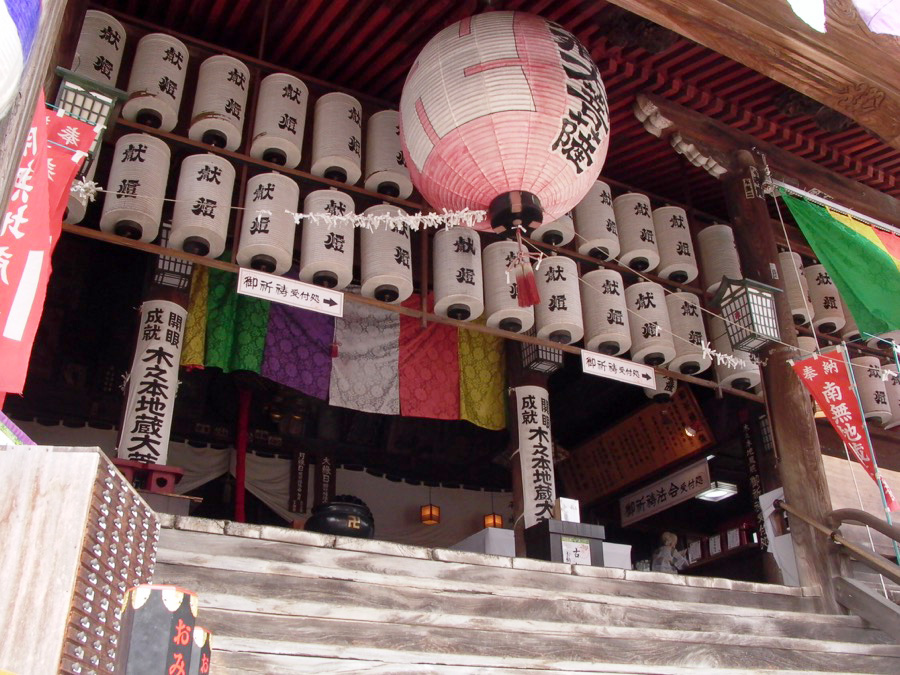
Spot No. 9 Kinomoto-Jizoin
Kinomoto-Jizoin is a Jishu sect temple that houses a Buddhist statue worshipped for healing eye diseases. The 6 meter statue (“jizo”) in the grounds is an image of Buddha normally withheld from public view and is generally referred to as the “Ojizo-san of Kinomoto”; visitors come from across the country to worship it. The temple has a long history, dating back to the Hakuho period (673 – 686). There are records of many famous historical figures having visited the temple, including Kukai, Yoshinaka Kiso, Takauji Ashikaga and Yoshiaki Ashikaga, and feudal lord Hideyoshi made camp here during the Battle of Shizugatake. The temple is especially busy during an annual festival held in August.
-
45 min by taxi (car)
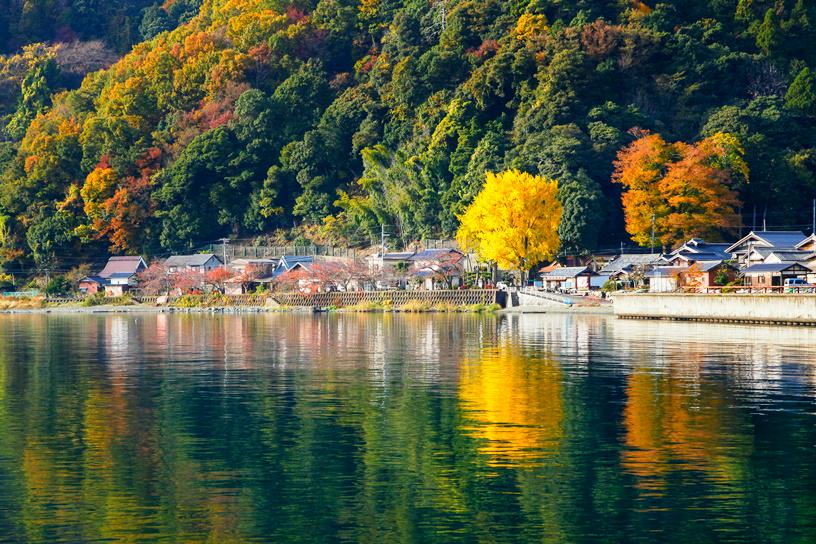
Spot No. 10 Scenery of the Sugaura Lakeshore Village
This region was known as a key port in waterway travel, surrounded by the unique yet steep terrain of the Okubiwako area. The village still operates alongside the water in much the way it has dating back as far as the middle ages, and is a registered Important Cultural Landscape.
-
40 min by taxi (car)
Spot No. 11 Hokuriku Expressway Kinomoto IC
Discover Historic Temples and Craft Ceramics on Lake Biwa
Unwind with Nature on a Freshwater Adventure Around Lake Biwa
Explore the Core Values of Japan Through the Life and Legacy of the “Omi Merchants”
Explore Shizugatake Nature and Walk a Historic Messenger Road